Floods
Stratford upon Avon is not necessarily known for its extreme weather, but even this small town in Central England has experienced some memorable weather.
Stratford has a temperate maritime climate, as is usual for the British Isles, meaning extremes of hot and cold are rare. Sunshine hours are low to moderate (less than 1,400 hours per year), and rainfall is spread evenly throughout the year.
The record high temperature is 35.7 °C (96.3 °F), set in August 1990, compared to the typical UK summer maximum of 22 °C (72 °F). The record low temperature is −21.0 °C (−5.8 °F), recorded in January 1982.
Stratford is quite low lying, just 37 metres above sea level and is situated on the banks of the River Avon, with a canal basin at the Bancroft Gardens. Three other watercourses run through Stratford; Shottery Brook, Rushbook Brook and an unnamed brook.
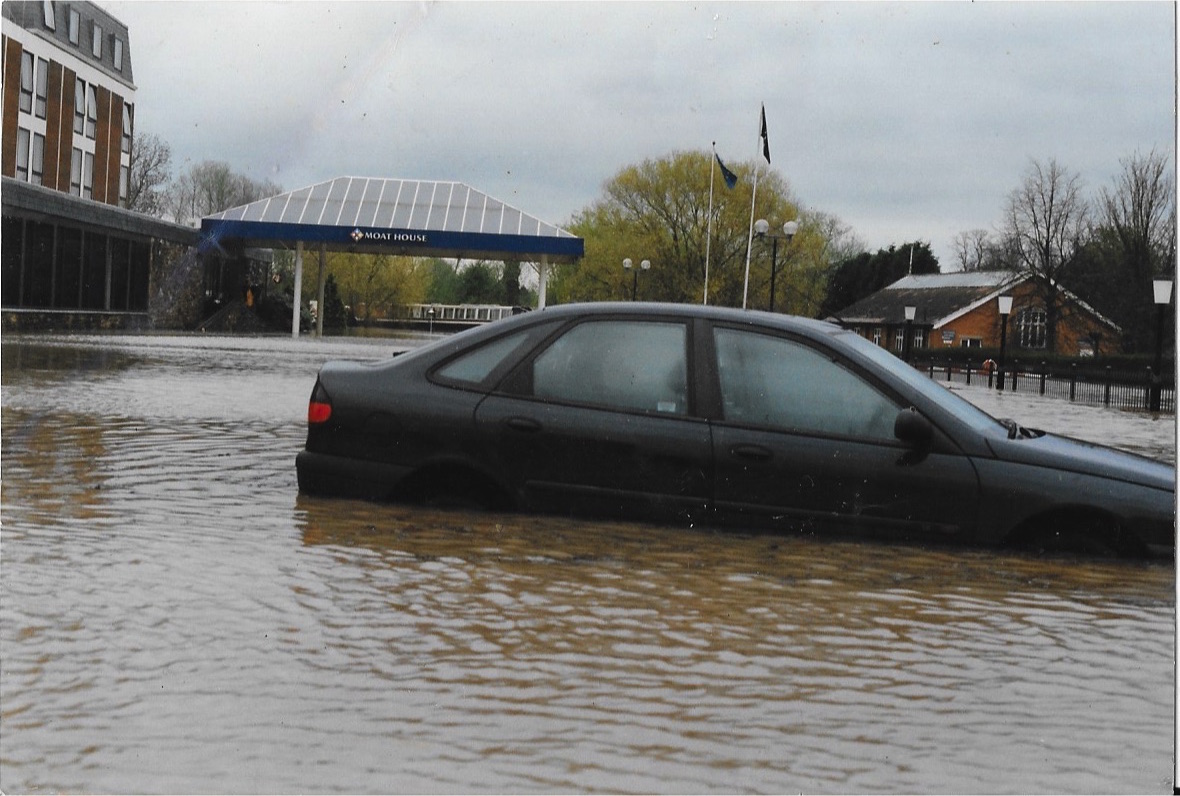
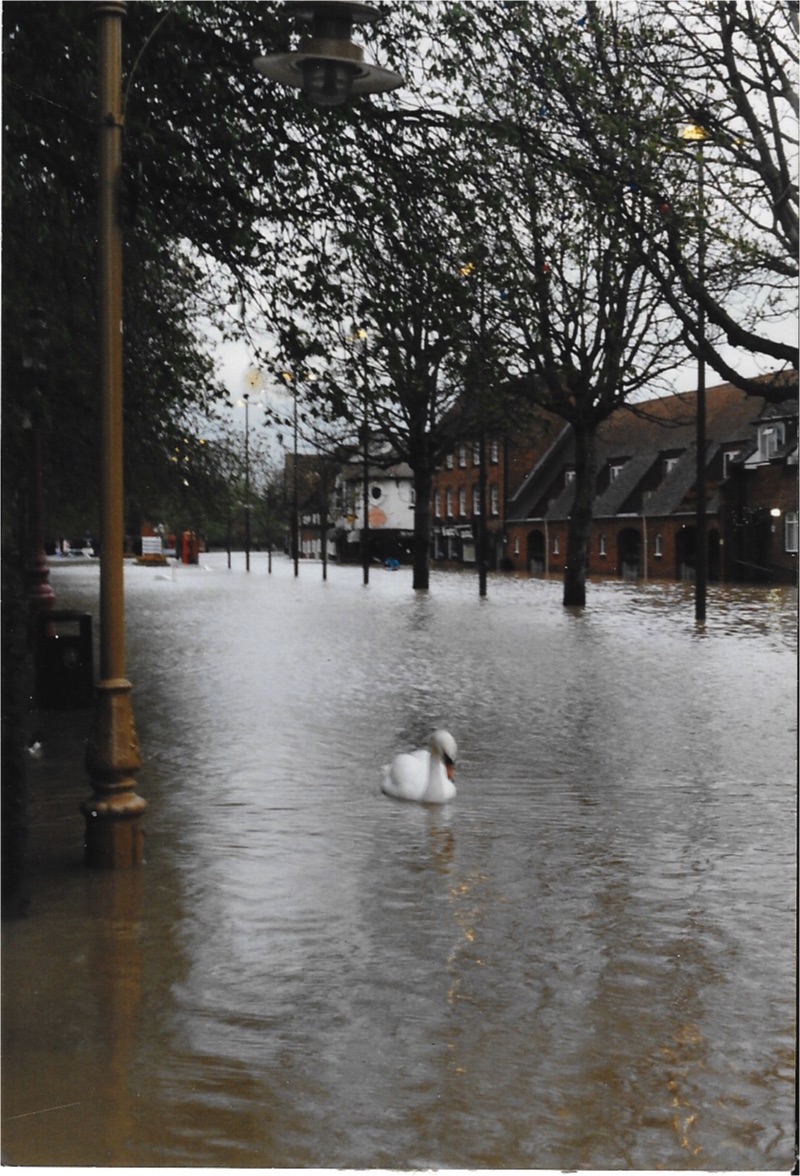
Prior to the 1930s here had been some major floods in Stratford, covering the flood plain and the Bancroft on Waterside in the centre of the town. However, more major flooding, with property damage, has been on the increase from the latter half of the twentieth century.
According to the Environment Agency:
The typical river level range for the River Avon is between 0.50 metres and 0.93 metres. The highest river level recorded at this location is 2.71 metres, on the 10th of April 1998, and the river level reached 1.89 metres on 26 November 2012.
Much flooding in the UK has been attributed to climate change and in the last ten years, sudden high rainfall has occurred throughout the UK. Stratford itself is in a natural bowl, which it shares with two rivers that meet southwest of the town. Other factors that possibly contribute to regular flooding include the rise in house building and the widespread use of hard landscaping increasing runoff water.
The River Avon became increasingly polluted up to the 1980s from the industries in the town whose effluent drained into it. It was dredged in 1986, leaving large banks on either side. A large pipe system was laid under the Bancroft Gardens and below the river, to dispose of the towns’ sewage.
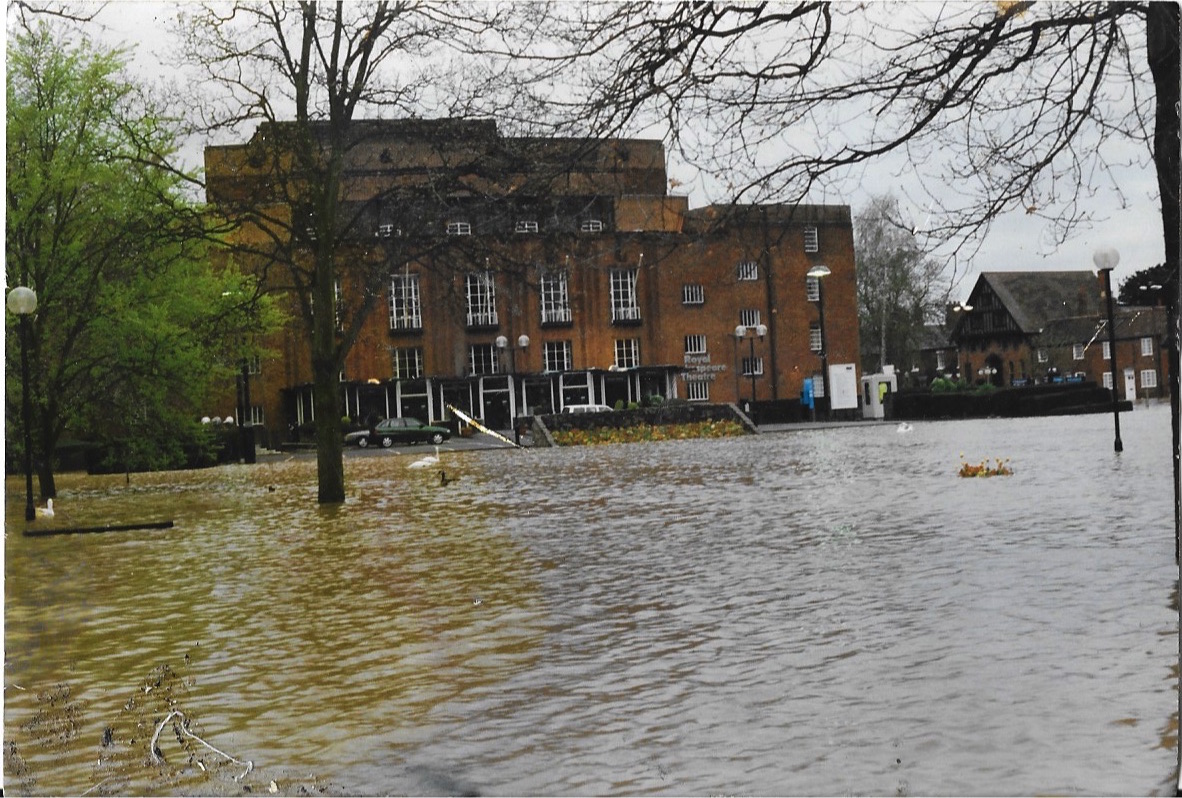
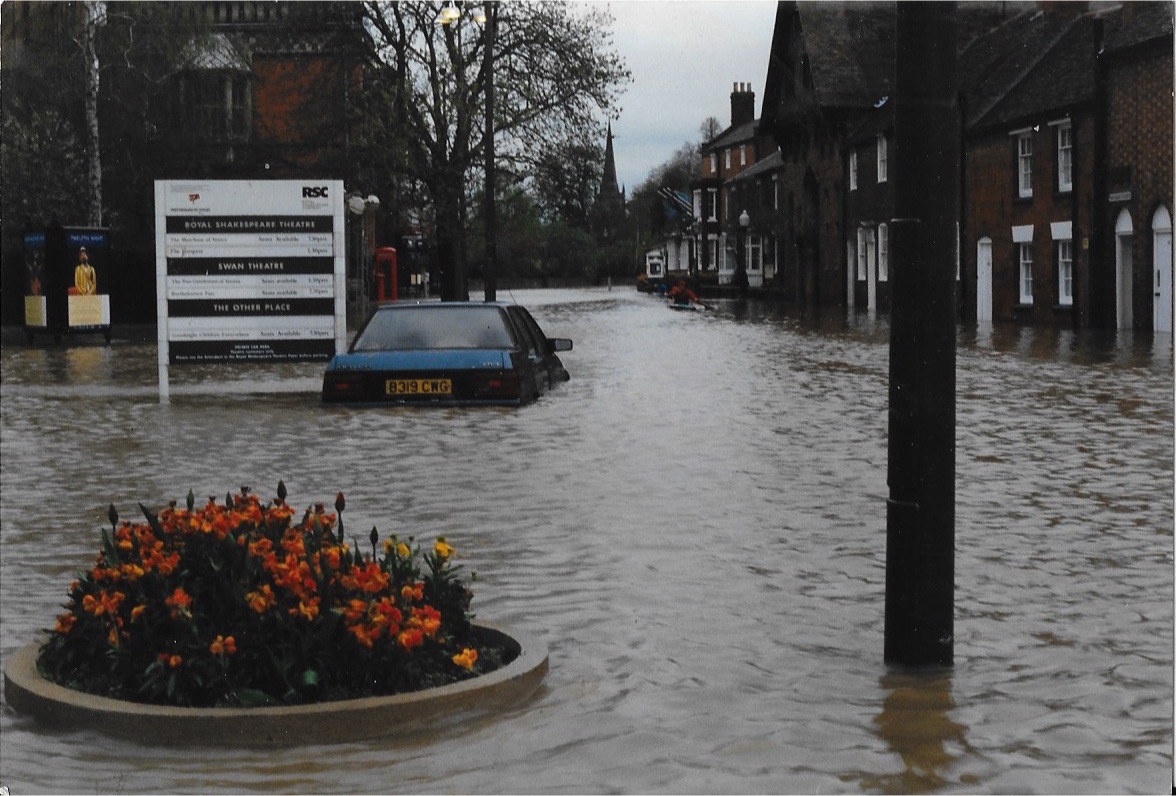
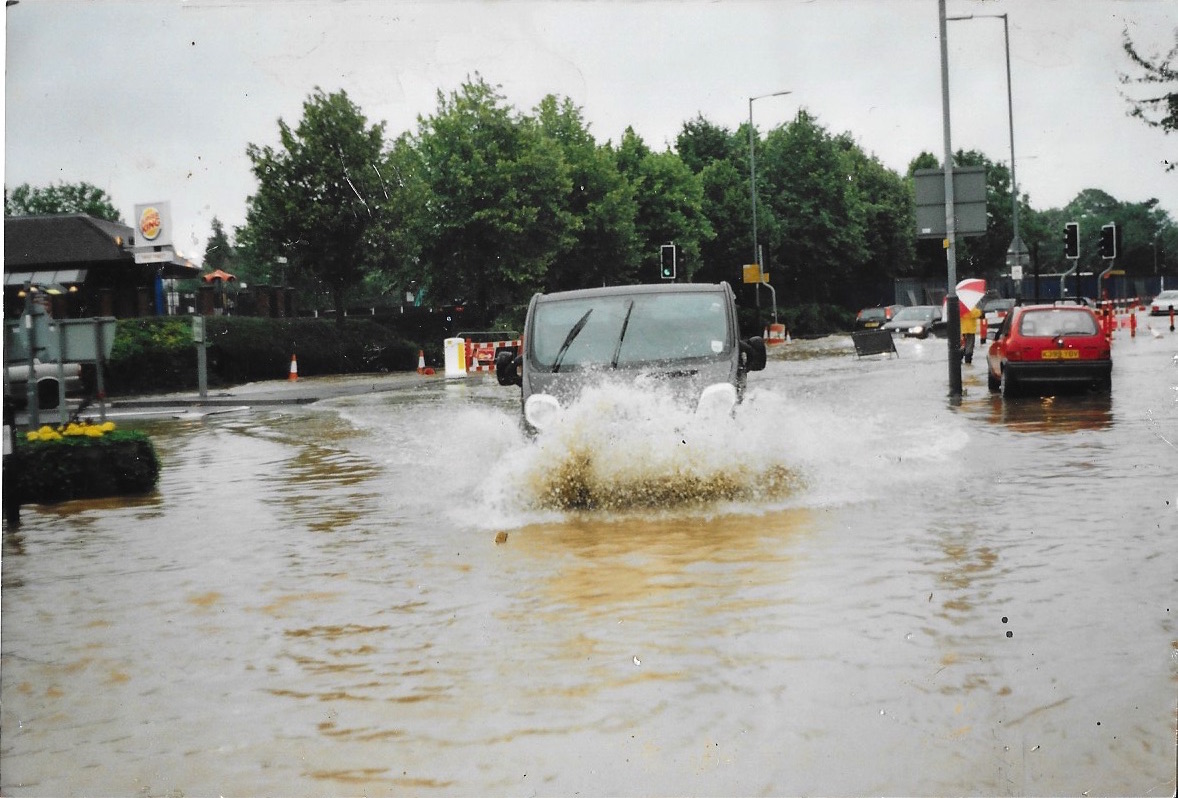
The January 1985 and April 1998 floods were the largest scale events recorded by the Environment Agency and the 1998 flood had the most significant effect upon the Stratford-upon-Avon District.
The 98 flood is mostly remembered for the traffic congestion, travel disruption caused and of course the flooding of the RSC.
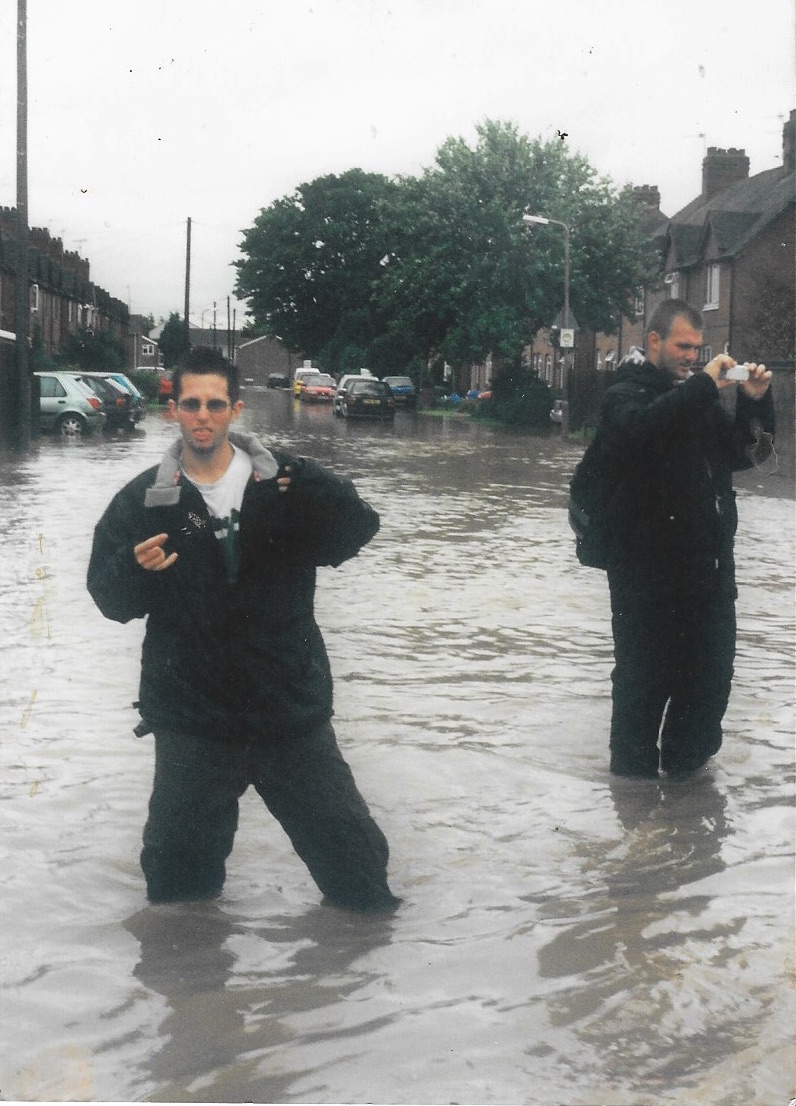
In 2007, further flooding took place, damaging housing in the north of Stratford, built on a flood plain on the former site of NC Josephs and Stratford Cannery. Stratford District Council delivered sandbags to the shops and people’s homes. There were sandbag stations around Stratford and they were filled up at the graveyard. Paul Mitchell remembers having to rescue an elderly lady whose ground floor flat in Park Court was flooded up to approximately 80cm in 2007.
1947: ‘A Year of Outrage’
The Winter of 1946-47 still remains the most extreme weather experience in Stratford in living memory and across the UK, it was the worst winter in the last 150 years. Temperatures in Stratford dropped to -4 Fahrenheit (-20 C). This was at a time of a national fuel crisis, with electricity rationed and Stratford only surviving using coal dumps left over from the War. Despite the hardships, people made the most of the weather, skating on the Avon by candle light.
On 6 February 1947 after seven weeks of frost and snow and the hope of a thaw, Stratford was then cut off by a blizzard which made rail and road impassable with drifts up to 7 ft (2.13 m) in outlying villages.
The thaw finally came in March, bringing with it flooding, when Stratford had three times the average rainfall. Following a heavy snowfall, the melting snow was joined by an inch of rain (2.54cm) that fell in a few hours. The frozen ground could not soak up the water and the big rivers rose by a foot (30 cms) an hour. Residents at Waterside tried to stem the water with door boards lined with clay and Sir Barry Jackson arrived at the RSC by punt.
Photographs submitted by Paul Mitchell. Research undertaken by Escape Arts social history group.

Photographs submitted by Paul Mitchell. Research undertaken by Escape Arts social history group.
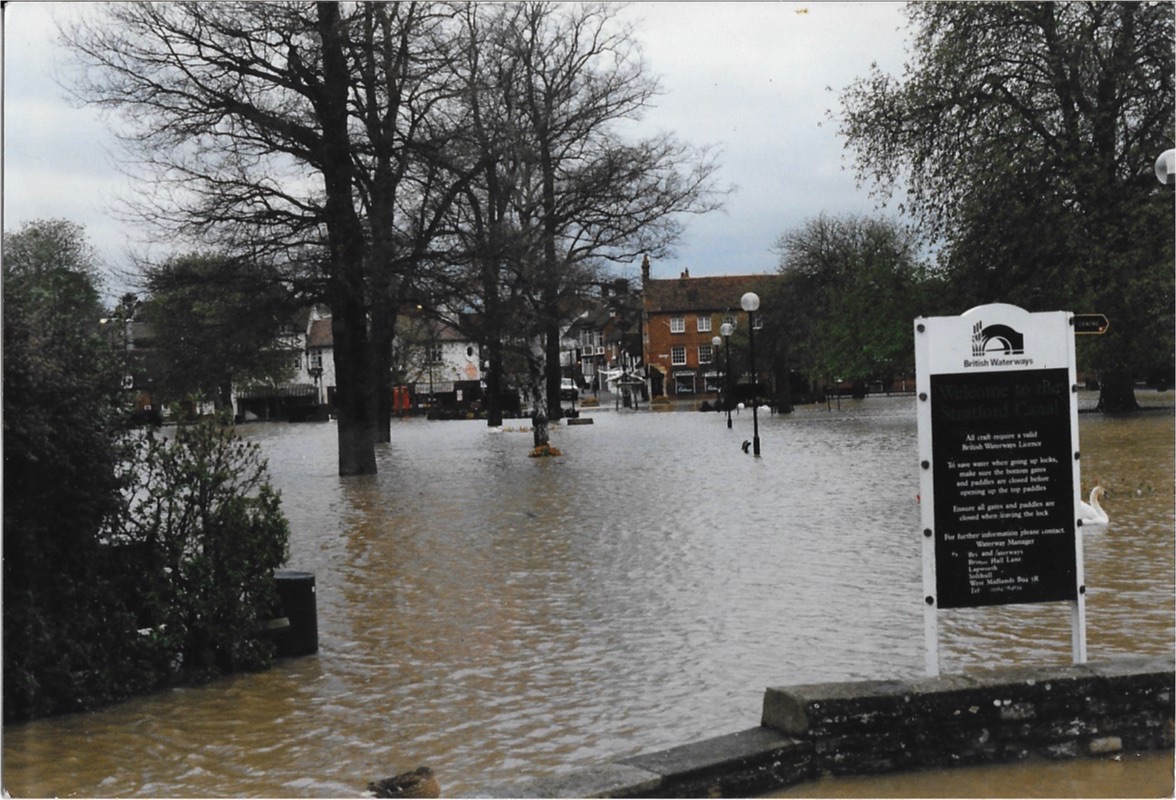
Photographs submitted by Paul Mitchell. Research undertaken by Escape Arts social history group.
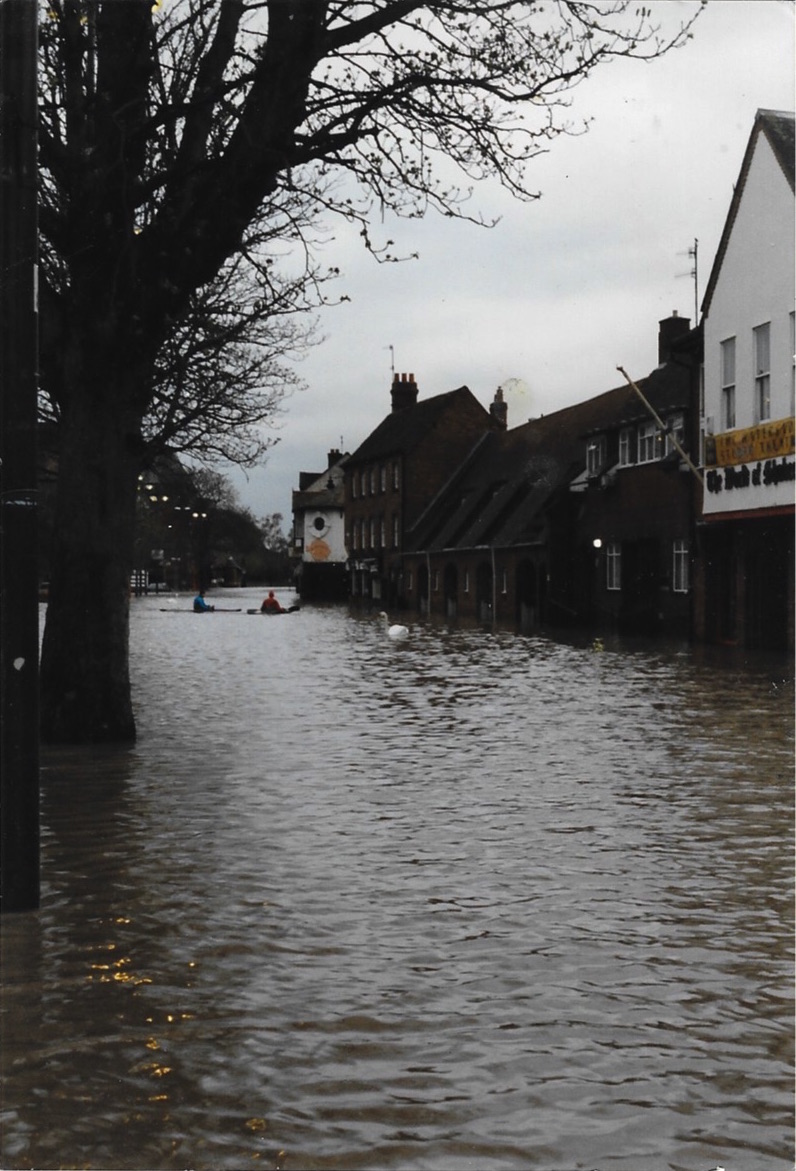
Photographs submitted by Paul Mitchell. Research undertaken by Escape Arts social history group.
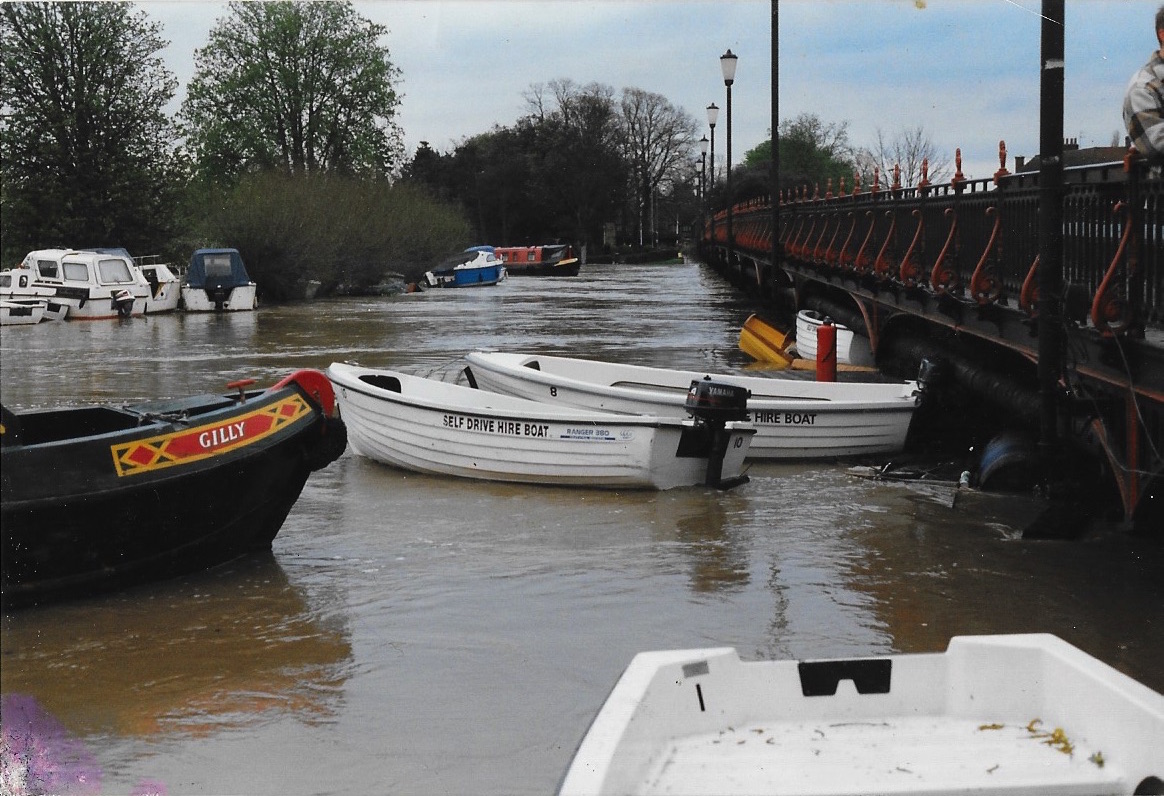
Photographs submitted by Paul Mitchell. Research undertaken by Escape Arts social history group.
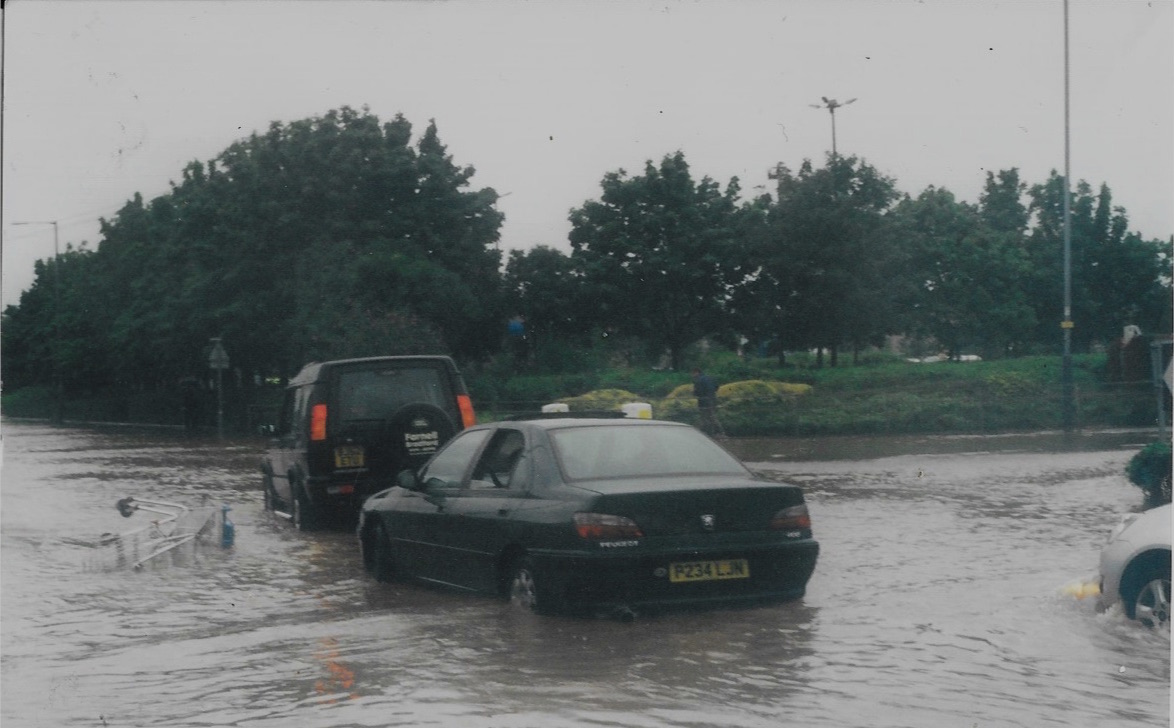
Photographs submitted by Paul Mitchell. Research undertaken by Escape Arts social history group.
Photographs submitted by Paul Mitchell. Research undertaken by Escape Arts social history group.
Photographs submitted by Paul Mitchell. Research undertaken by Escape Arts social history group.
Photographs submitted by Paul Mitchell. Research undertaken by Escape Arts social history group.
Photographs submitted by Paul Mitchell. Research undertaken by Escape Arts social history group.
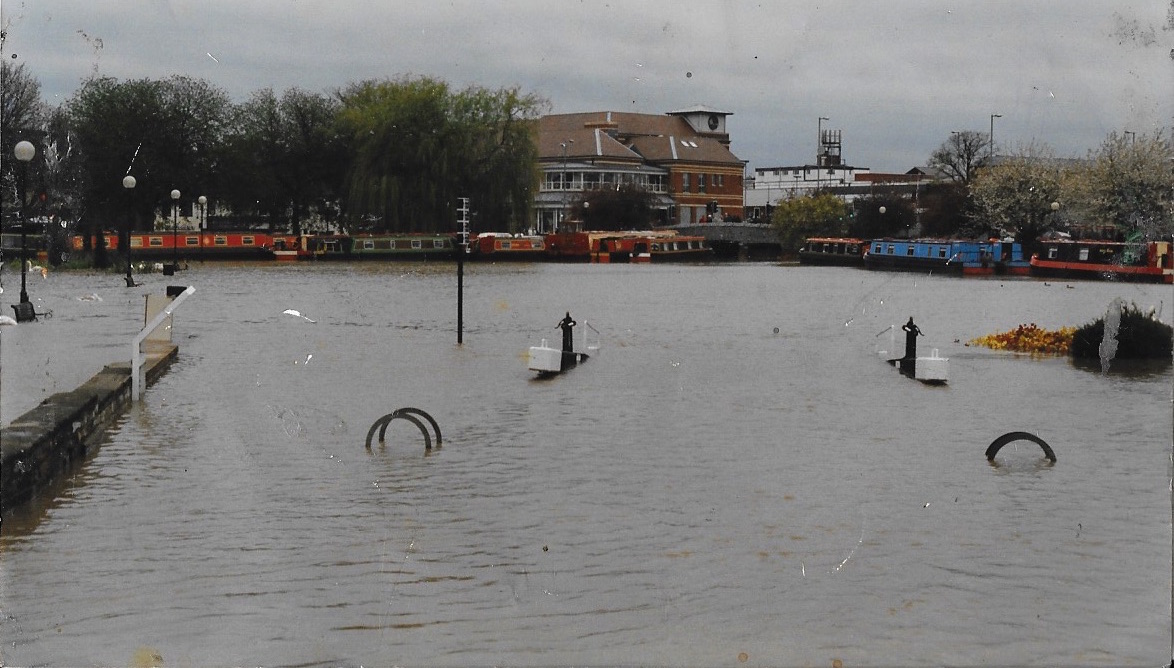
Photographs submitted by Paul Mitchell. Research undertaken by Escape Arts social history group.
Drought
During the years 1974 to 76 we experienced extreme weather at the other end of the scale, an official drought! It culminated in very high temperatures for a prolonged period during the summer of 1976. It was in fact the driest, warmest and sunniest summer ( June-August) in the 20th Century. There were many consequences of these extreme conditions, most of them, naturally, to do with a shortage of water.
The Severn Trent Water Authority (before the days of “privatisation” which took place in 1989) noted the consumption of 50 million gallons of water on Monday 28th June. In Stratford boreholes augmented our supply, normally provided from Draycote reservoir near Rugby and via Coventry from the River Severn. Bowsers (tankers of drinking water) were deployed as well as standpipes in some areas of Stratford.
25 miles of the Stratford to Birmingham canal were closed, due to possible health threat from mud and flies, (not to mention the pong!) as well as there being too little water for safe navigation. Boats were diverted to the Avon and the canal lock gates chained and padlocked.
By mid-August The River Authority calculated that 6″ of rain were needed, just to replenish water courses. We were experiencing the lowest natural flows since records began. Shrinking earth causing pipe failures exacerbated the shortage. 110 million gallons a day were taken from Llyn Clywedog reservoir to maintain flow in the river Severn. (Parts of Wales, rather unfairly, were rationed to a few hours of water daily).
In early September, the Water Authority’s drought regulations came into force: No car washing or use of hosepipes. No filling of non-public swimming pools or ornamental ponds. Mechanical car washes were shut down.
By the end of the month householders were warned that if they did not economise further there could be severe water restrictions, there was only a 65-day supply left and when this dropped to 50 there would be rationing. This must have had some effect, as by mid-October car washing was permitted.
There was yet more misery for residents. During July a refuse collection strike, apart from the inconvenience, caused a stink and prompted some to burn their rubbish. Together with fires on farms, this gave the Fire Brigade an extremely busy time.
Farmers struggled with the driest season since 1921, not only with the fire risk but yields were down too and the bleak countryside from bare earth and dry stubble was made worse by the death of elms from Dutch Elm Disease.
Eventually by the end of August the Government appointed a “Minister of Drought”, Denis Howell. Cynics were silenced when the Bank Holiday weekend at the beginning of September was, traditionally a wet one. No doubt residents were disappointed that having endured the drought and sunshine for months, the promise of a hot sunny Bank Holiday was cruelly dashed. The River Stour started to flow again but water restrictions remained in place for many months.
At Christmas, due to hard ground, rain and melting snow, the Stour rose 6 feet and the Bancroft was partly underwater. So the year that had started with “Hurricane Harry” blowing the caravans across the Avon Caravan Park and destroying Bidford’s Crawley Memorial Hall roof was back to normal!
Richard Thomas was a Sales Engineer for a national scientific instrument distributor; he recalls how uncomfortable it was driving for long periods in a very hot car, no air conditioning except in the most expensive cars, combined with plastic upholstery.
“On one journey returning from the south west, I removed my shirt and trousers and sat on them, but what I really needed was a cold shower. I wasn’t the only driver in that state, in the queues of traffic, most returning from holidays!”
Licence & Credits
Licence
CC BY 4.0Submitted / shared by
Photographs submitted by Paul Mitchell. Research undertaken by Escape Arts social history group.