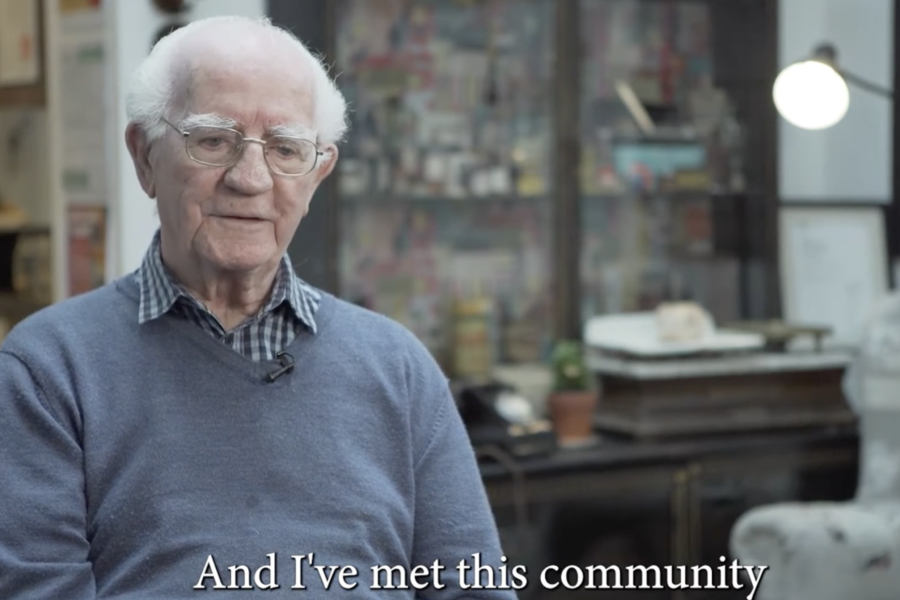
“People come in for the first time and just go bleugh, you know, this is what’s happening … and there’s a huge range of experiences.”
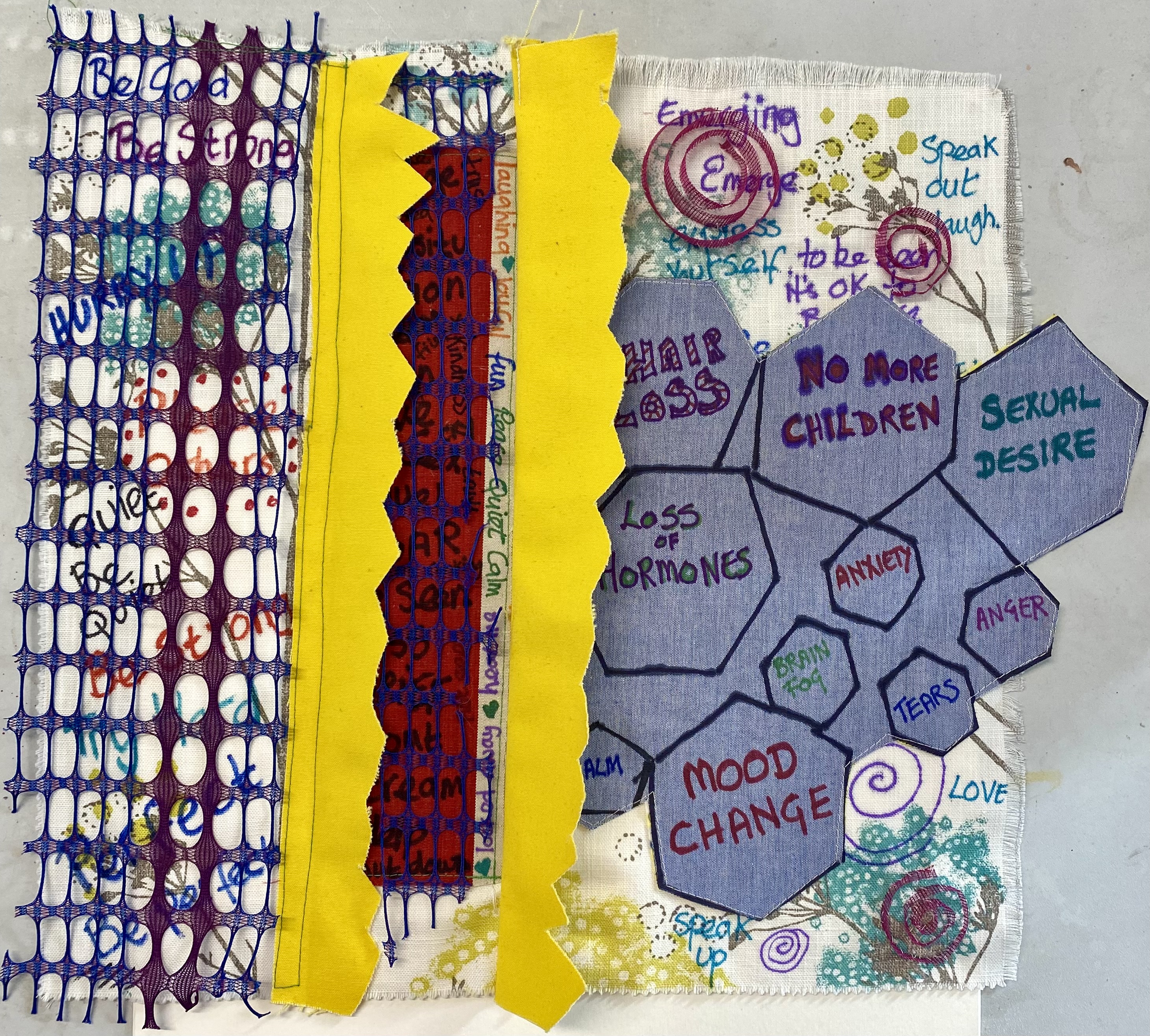
Menopause is not a monolith. Although participants and researchers have found common threads, there is no singular experience. We have attempted to build a well-rounded picture of this life stage through anecdotal evidence from contemporary accounts and historical research.
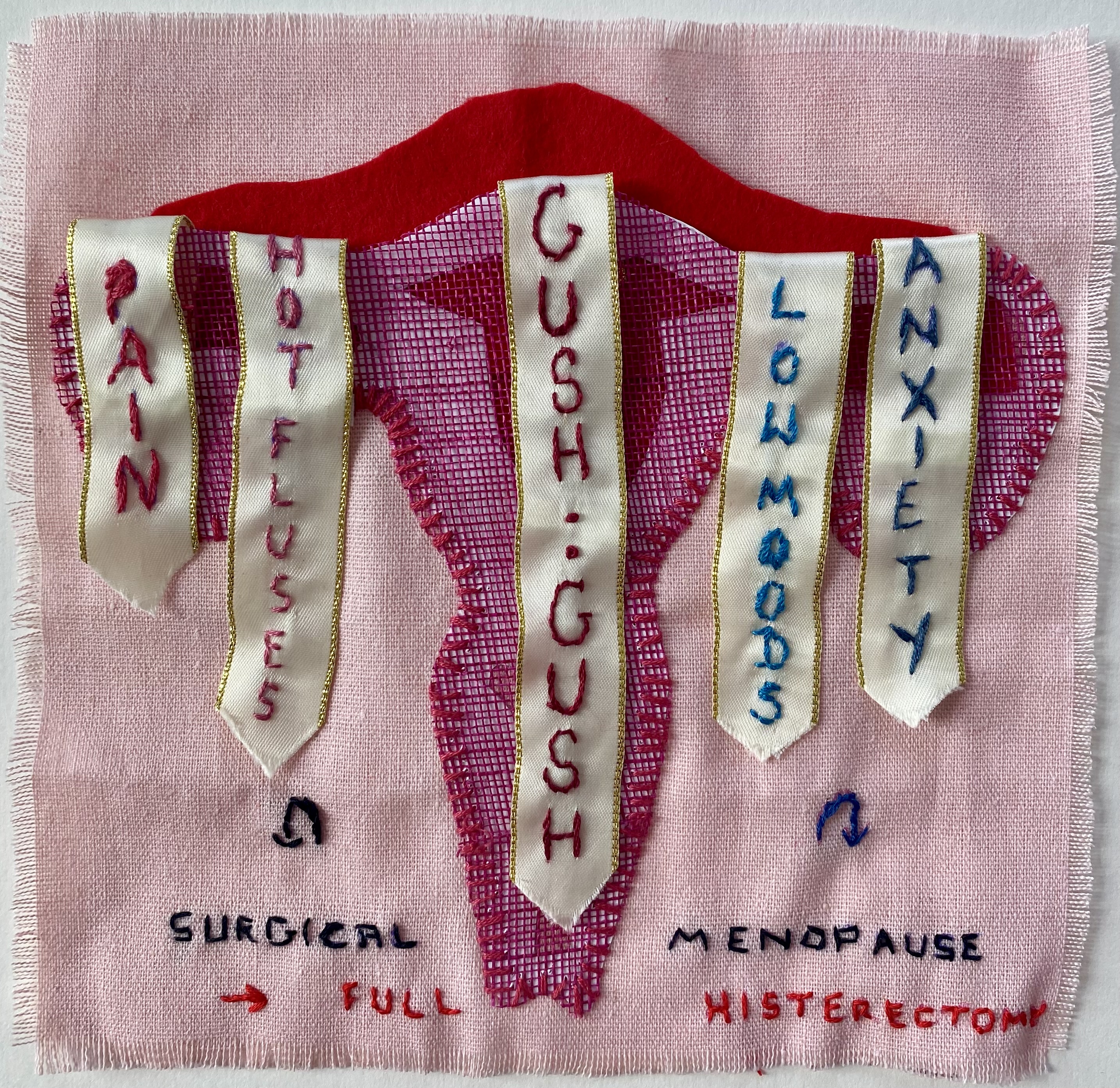
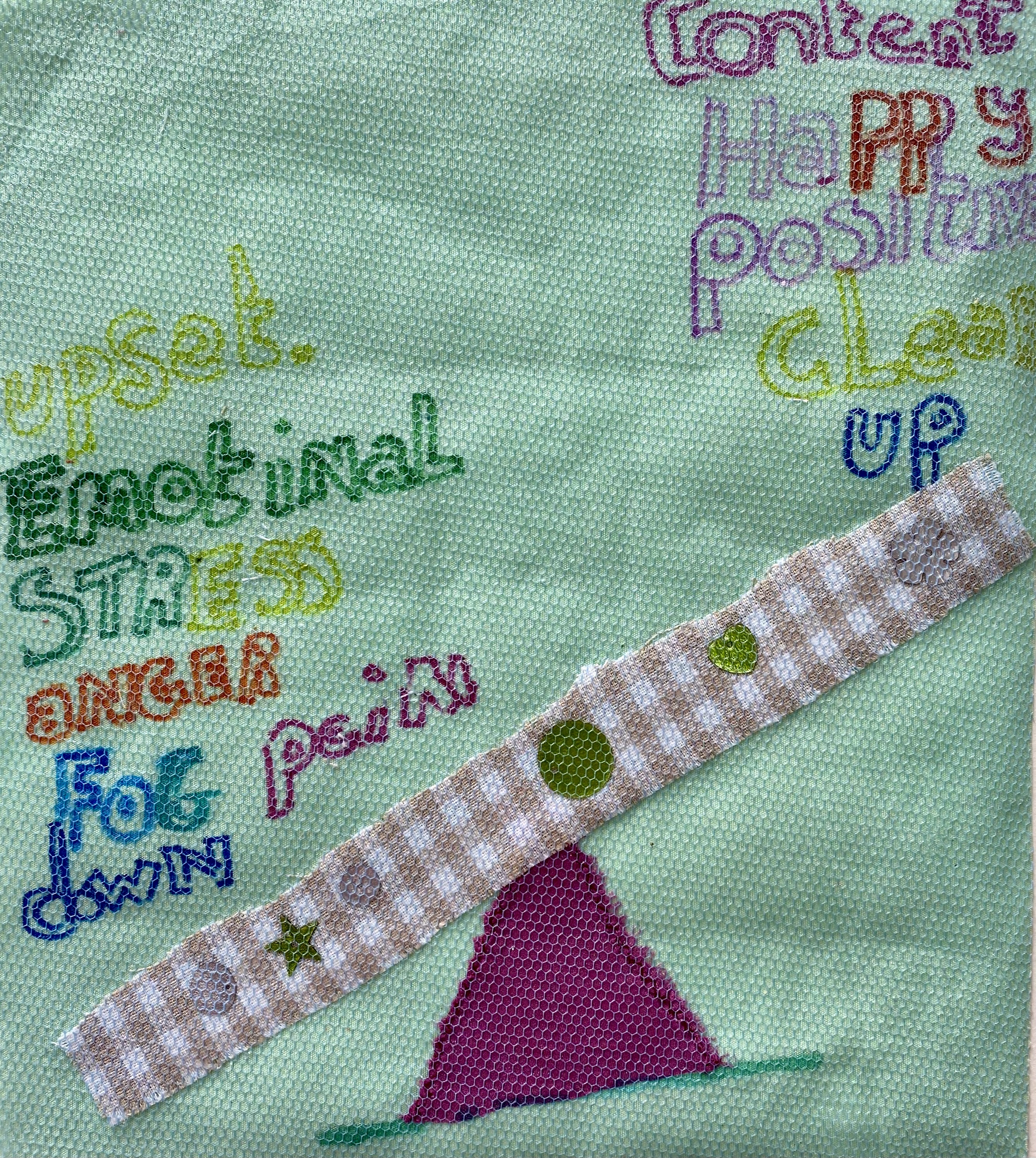
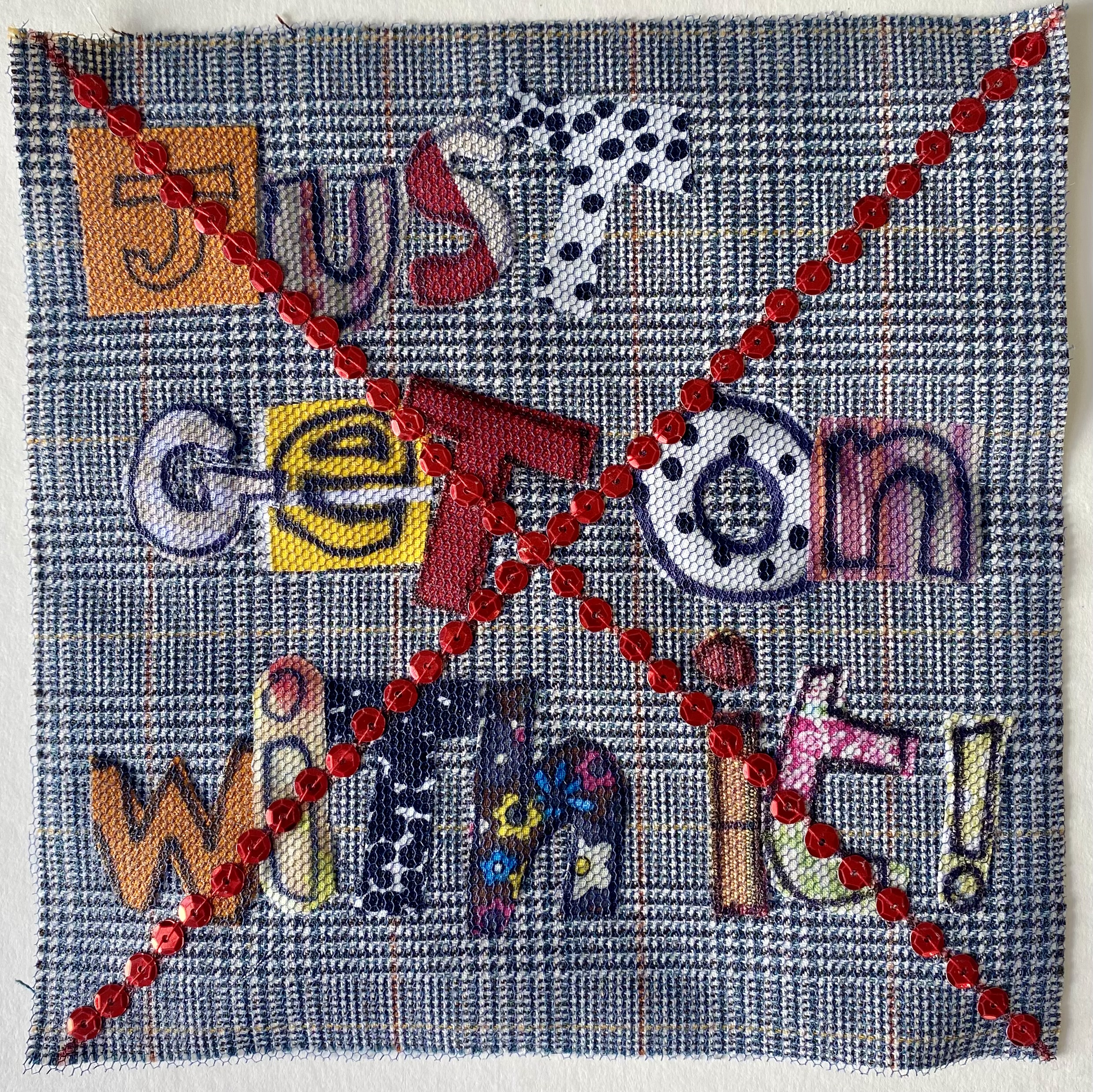
The menopause journey can be emotional, and the struggles compounded by dismissive attitudes. When they raised concerns, modern participants shared that they’d been told to ‘grin and bear it,’ ‘get on with it’ or ‘take some time off.’
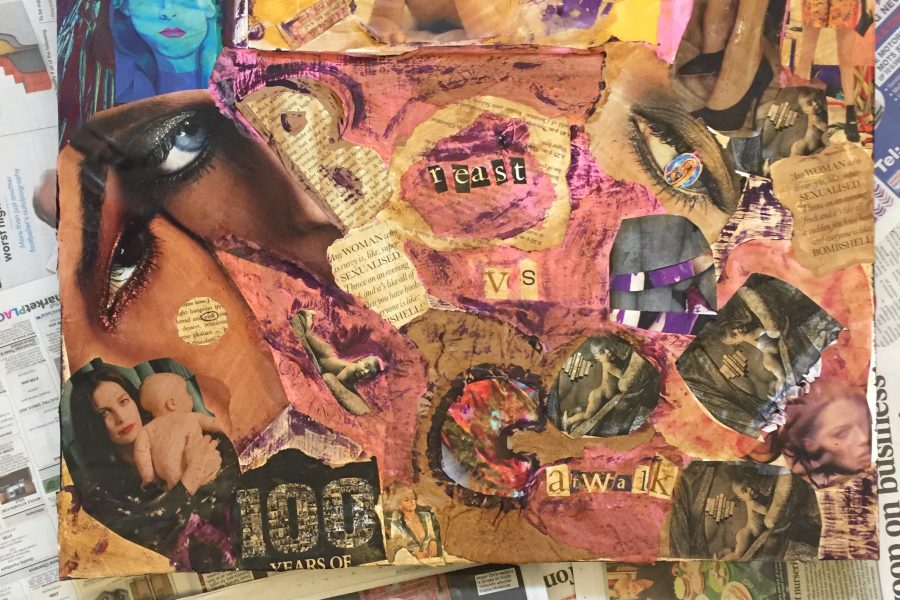
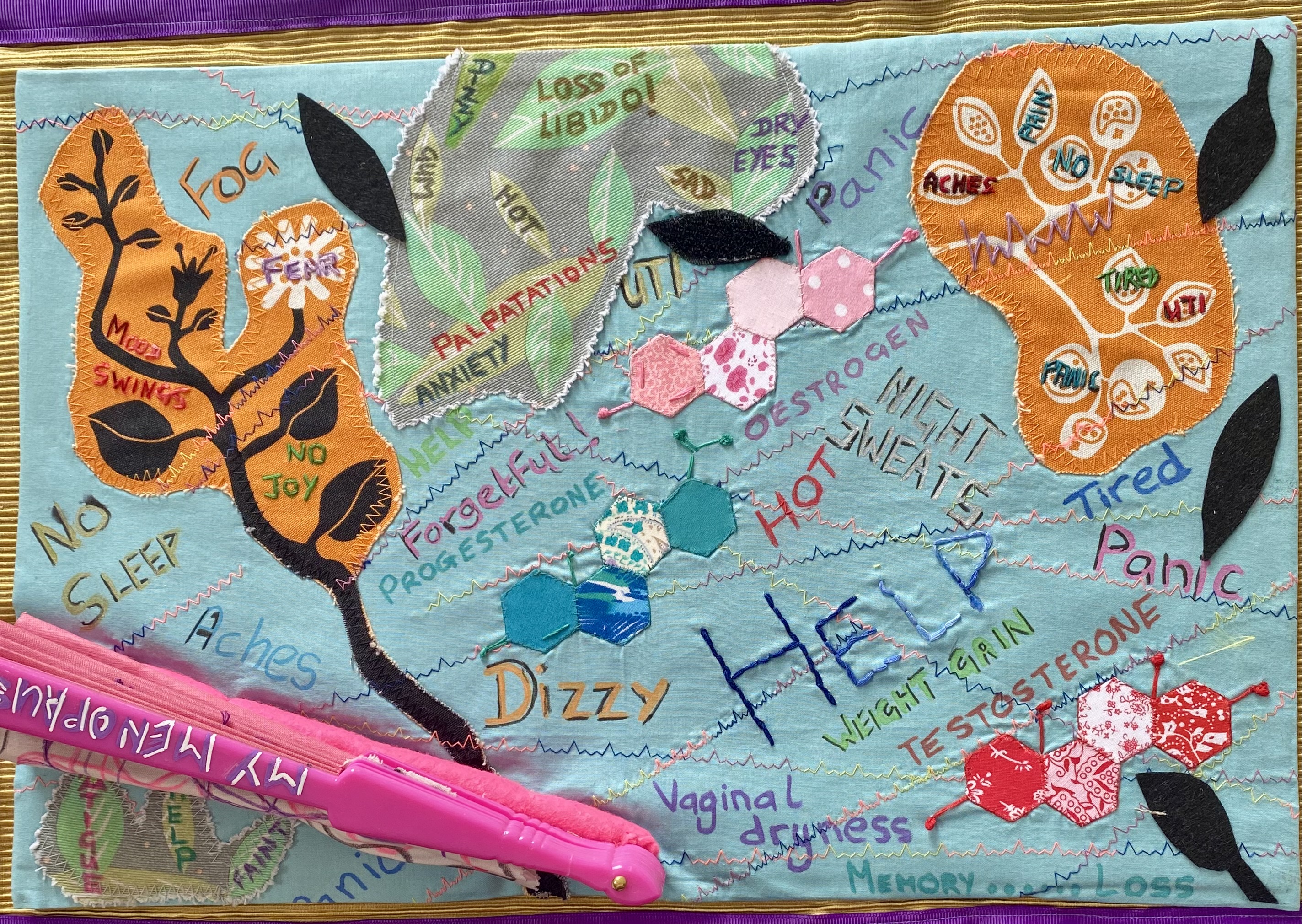
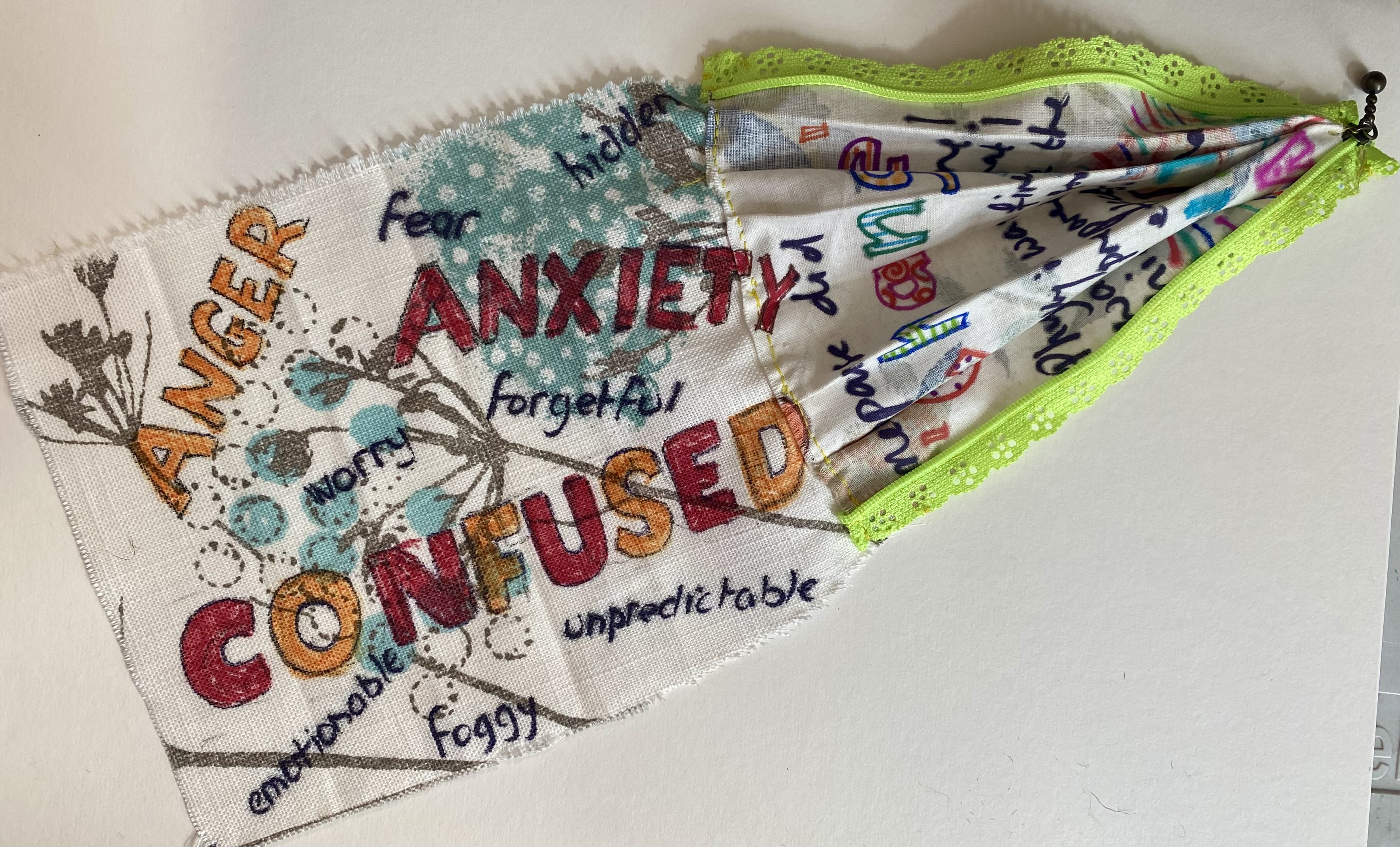
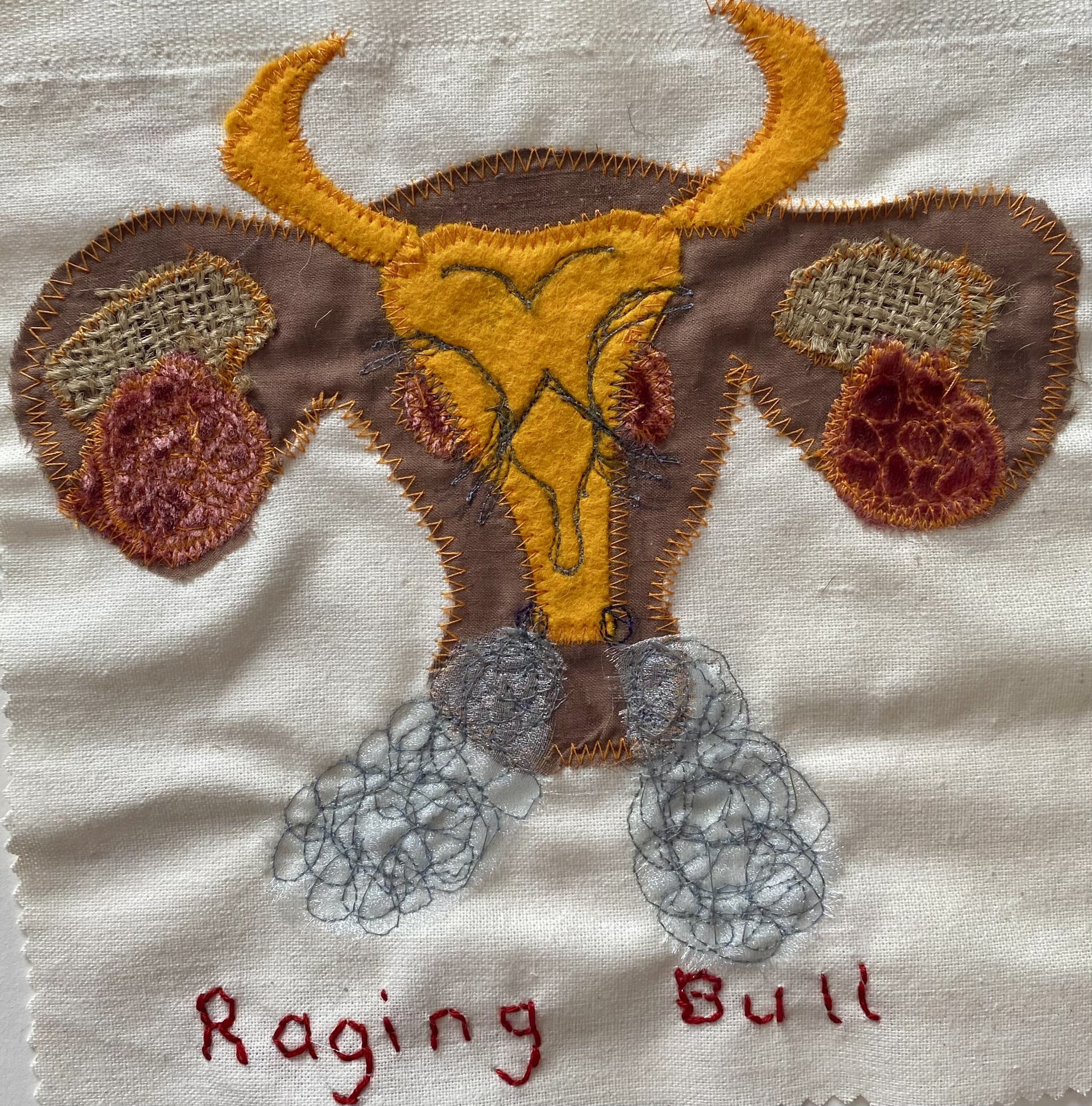
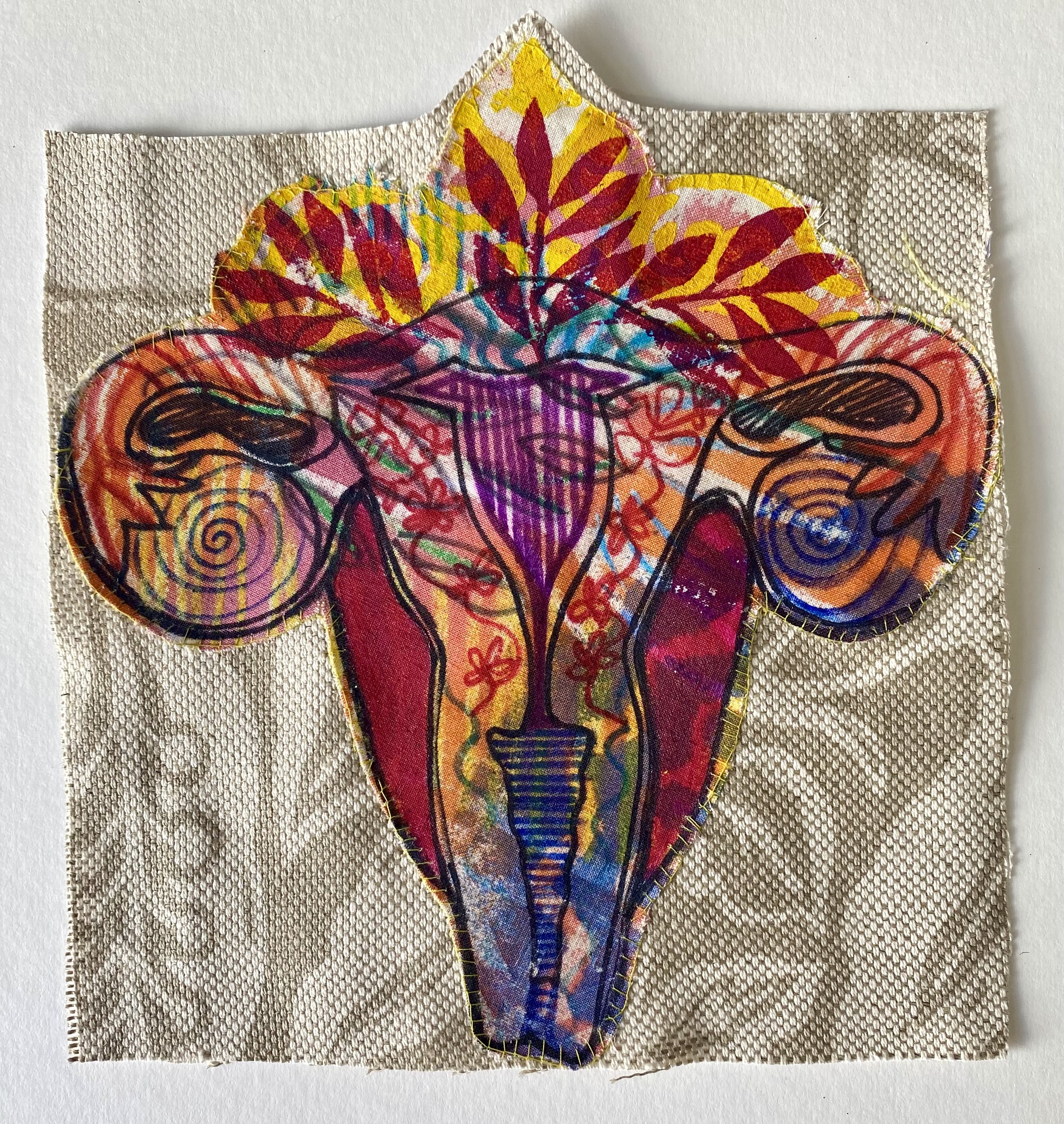
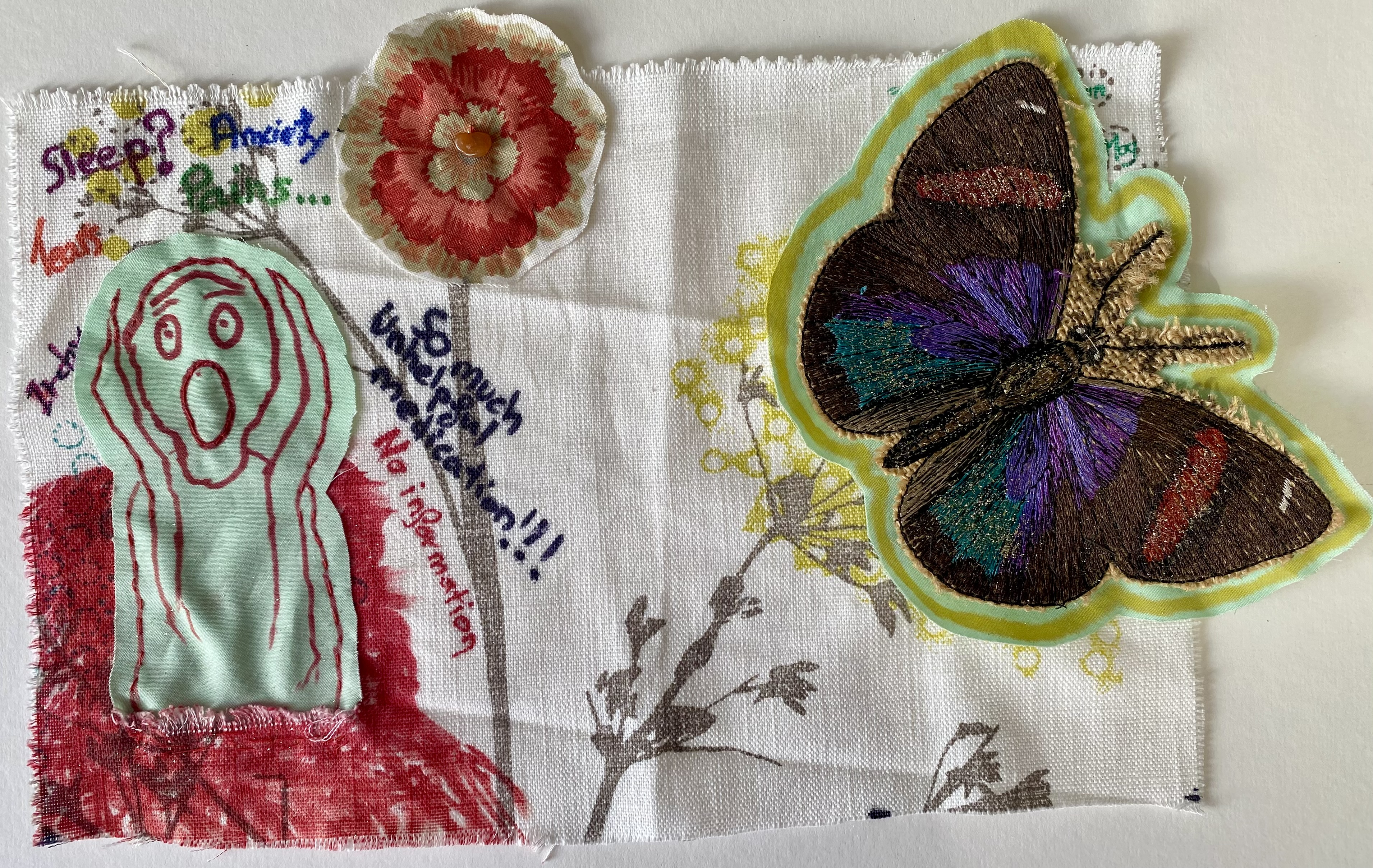
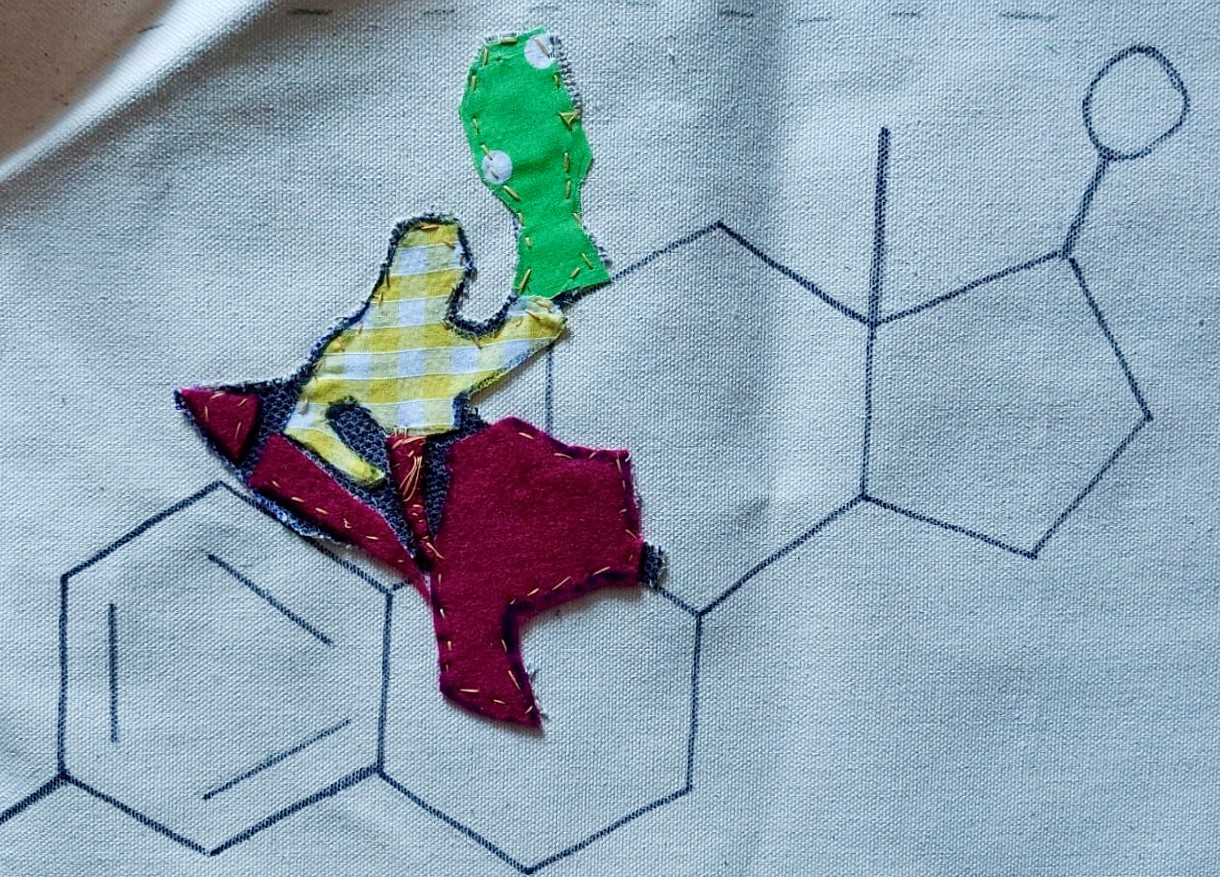
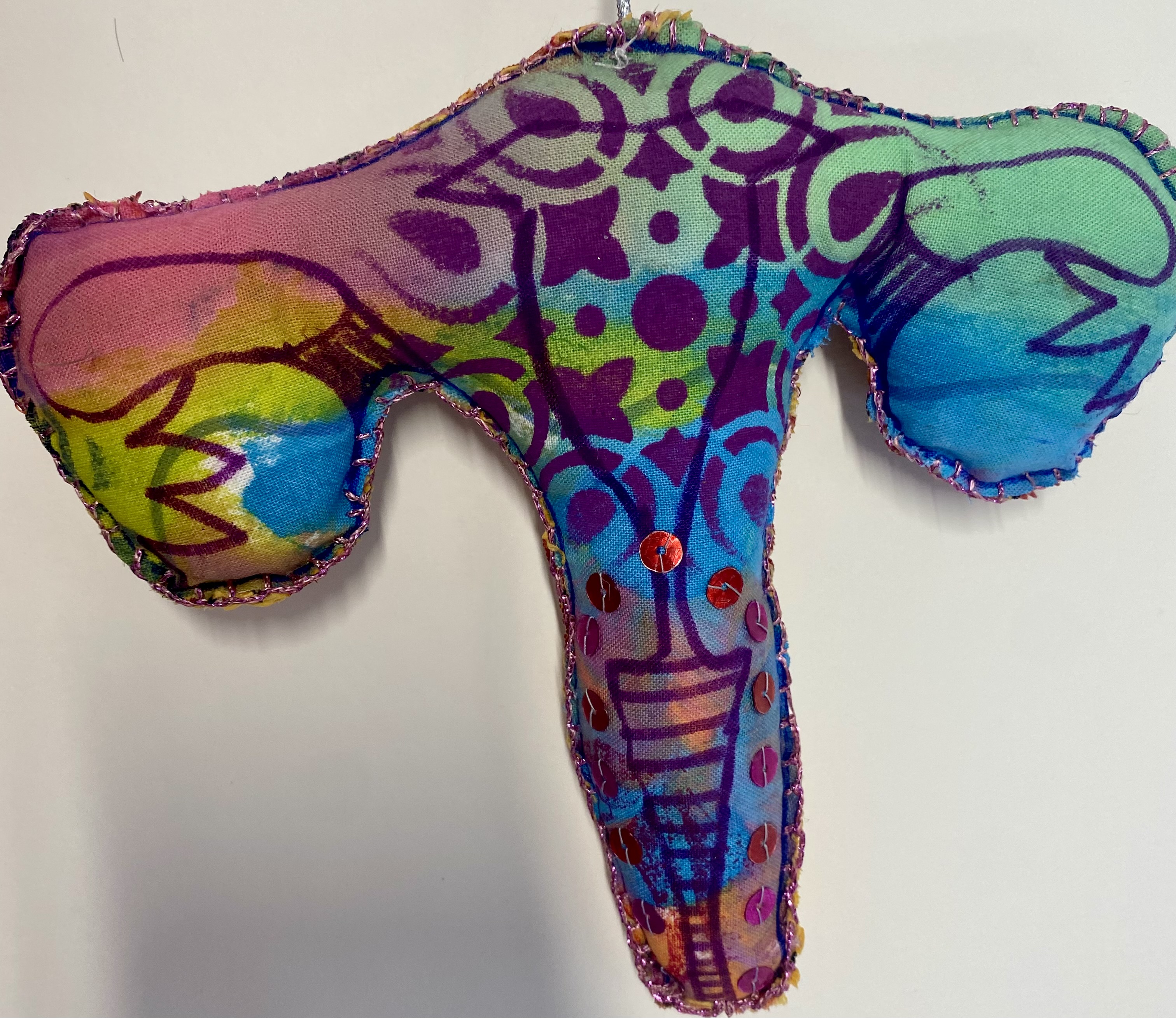
“When I saw the diagram of the womb and the fallopian tubes, and we’d all already talked about what we want to portray as our experience of the menopause, I was thinking about anger … and part of it was the medical services.”
Would doctors of earlier eras have been any more sympathetic with their patients struggling with menopausal symptoms? The Shakespeare Birthplace Trust has explored the work undertaken by Dr John Hall in this field. A son-in-law of William Shakespeare, Hall was a notable physician in Stratford-upon-Avon in the early 17th century. His casebook includes ingredients for remedies, including menstrual care, and the gardeners at the Trust have used this as a guide to create a medicinal garden at Hall’s Croft, the home he shared with his wife, Susanna Shakespeare. Plants include Clary Sage, which treated “suffocation of the womb,” and Peony for “uterine passion.”
The consensus about menopause in 17th century medicine was that it was a blockage or disease. Regular menstruation was considered a healthy purge, so its ceasing was considered a negative. The only remedies suggested for the symptoms of menopause were bloodletting or surgery, an attempt to clear any negative build-up that would otherwise be removed in menstruation. This is disappointing, as Dr Hall’s herbal remedies may have been successful in combatting symptoms if he had prescribed these treatments to menopausal patients. Several participants in this project have praised holistic treatment alongside modern medical interventions such as Hormone Replacement Therapy.
Although the menopause journey has its challenges, there are plenty of people who describe a more limited impact on their daily lives.
“You just don’t notice it. You’re juggling so many things, you know … and I was one of the lucky ones I suppose.”
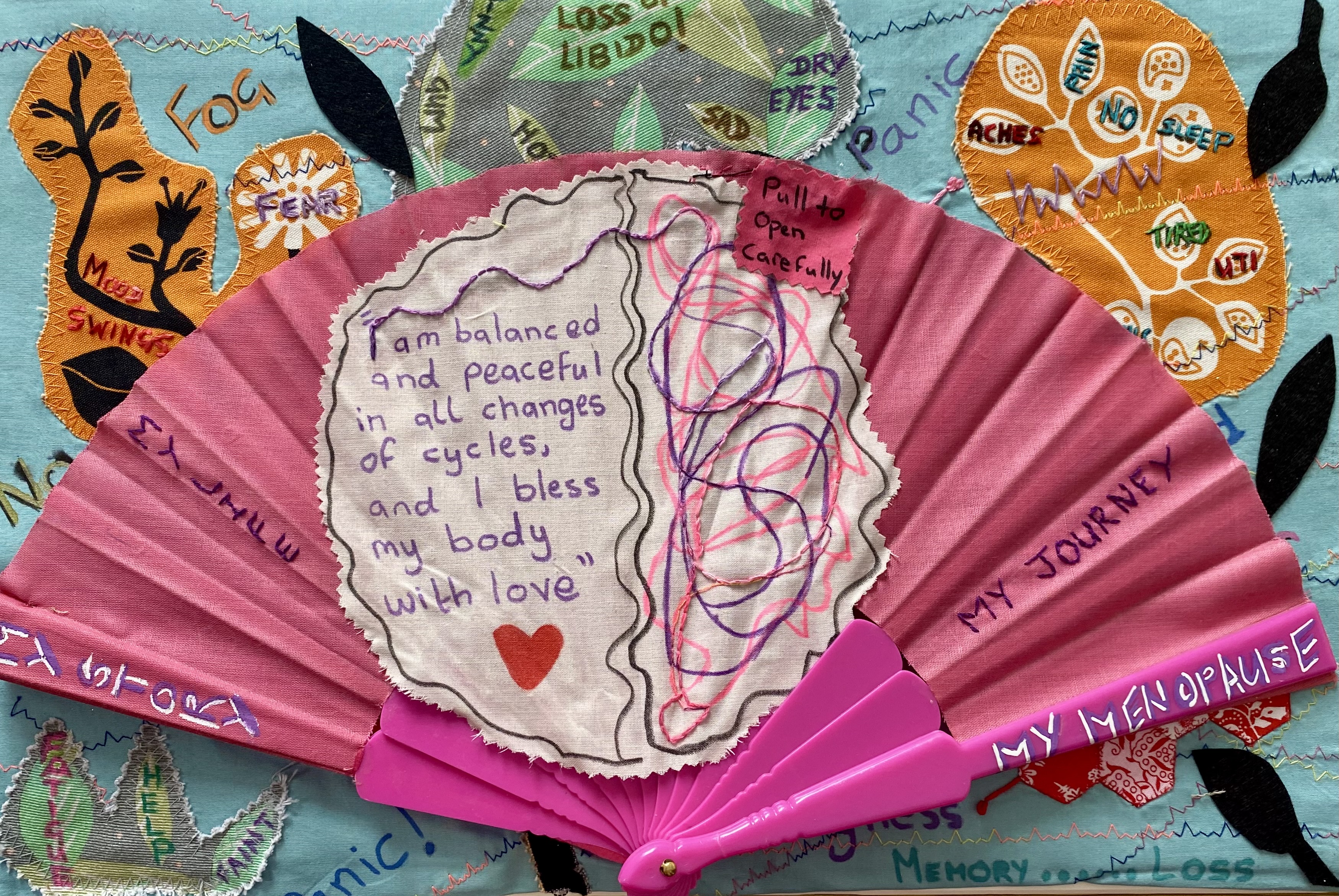
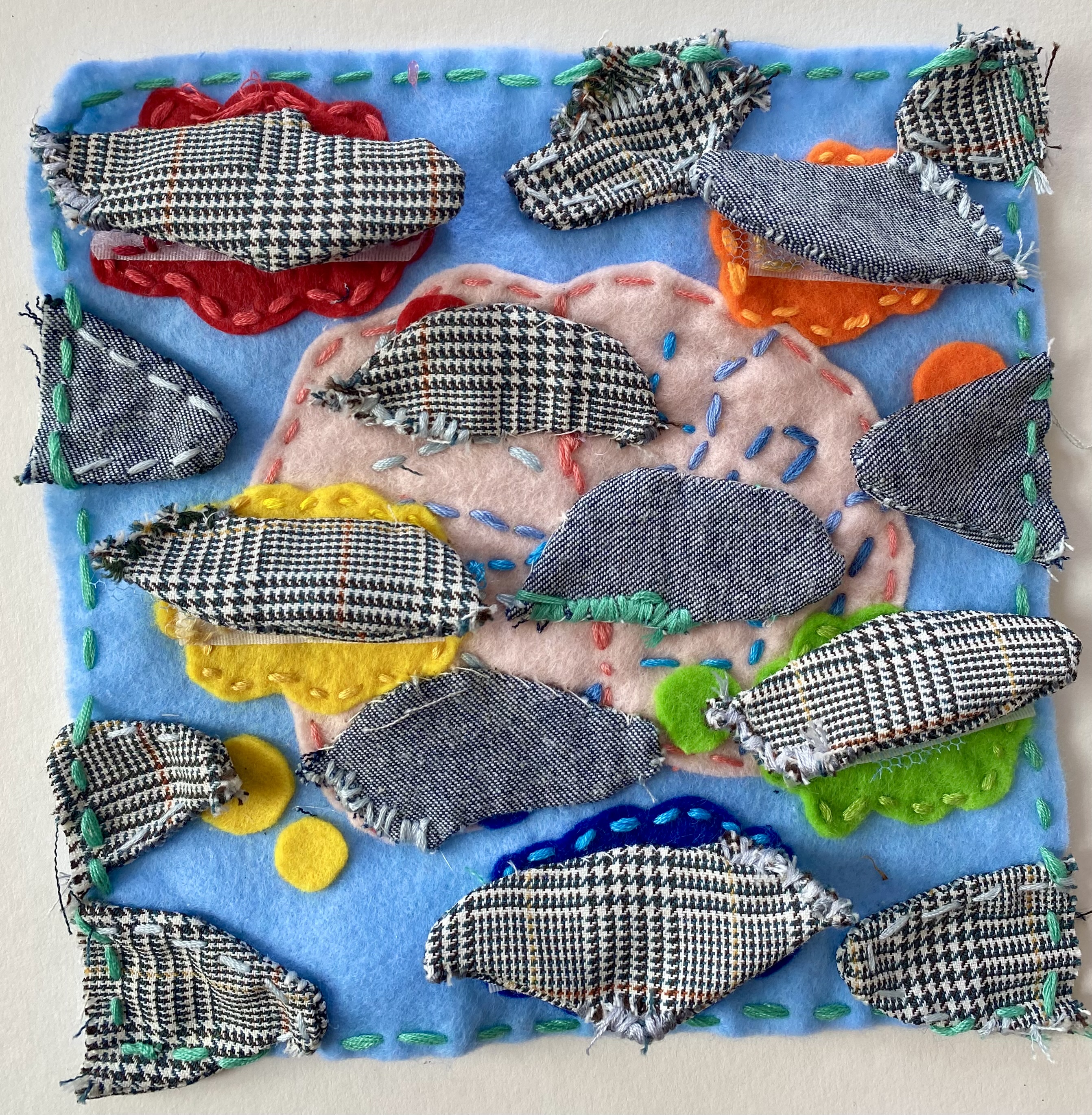
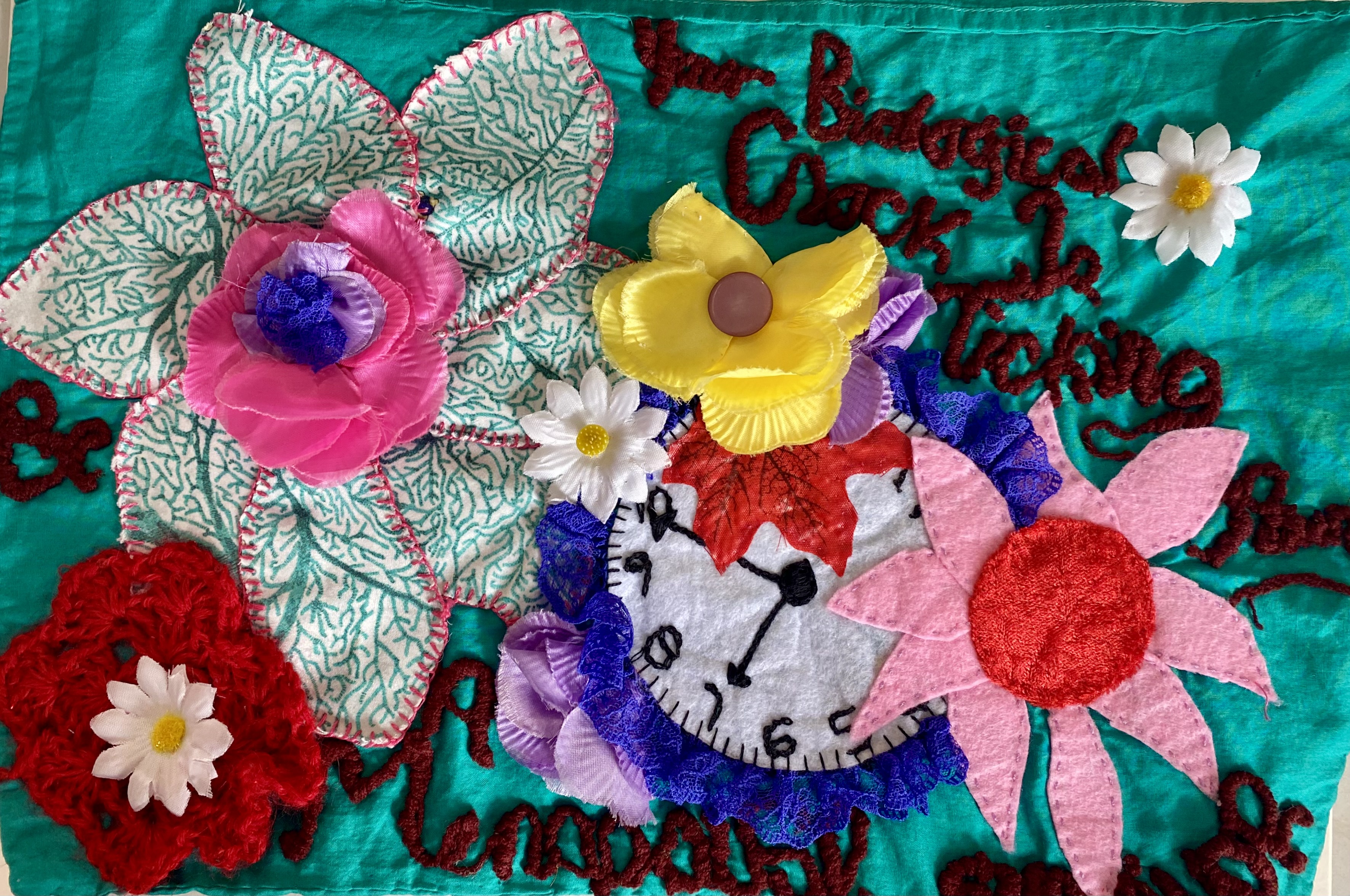
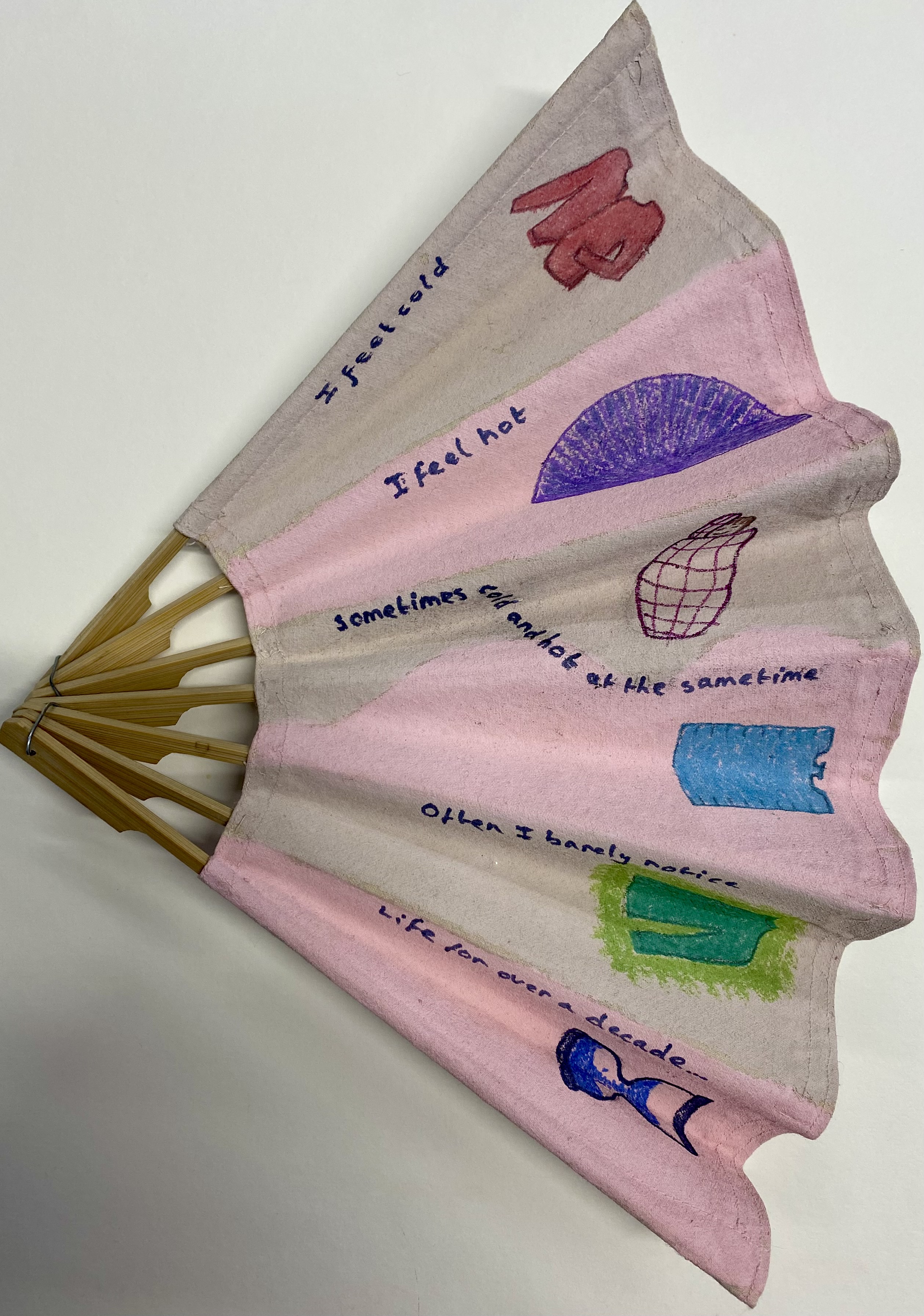
“I’m just used to taking cardigans on and off, carrying a fan around with me, you know. In the very hot weather, I take a cool pack to bed with me and, so I’ve found ways through, coping. So, most of the time it’s just a bit of a nuisance, you know. I have adapted to it. That’s what I’ve put on my fan.”
Similarly, there are figures in our historical research whose experience of menopause did not dominate their later years. The celebrated Warwickshire author, George Eliot, was very observant of her own moods and fluctuations in health. She regularly describes her own physical and mental health in her entries, leaving an unusually detailed record. She even went so far as to mark her menstrual cycle in her diary, adding an asterisk by the dates. She marked the date up until the age of 49, when we can assume she entered post-menopause. Eliot passed away at the age of 61, so if menopause had made a major negative impact on her health during her final decade, we would expect to see this reflected in her diary. There is no such shift and her comments on her own health remain fairly balanced, which suggests that her symptoms were manageable.
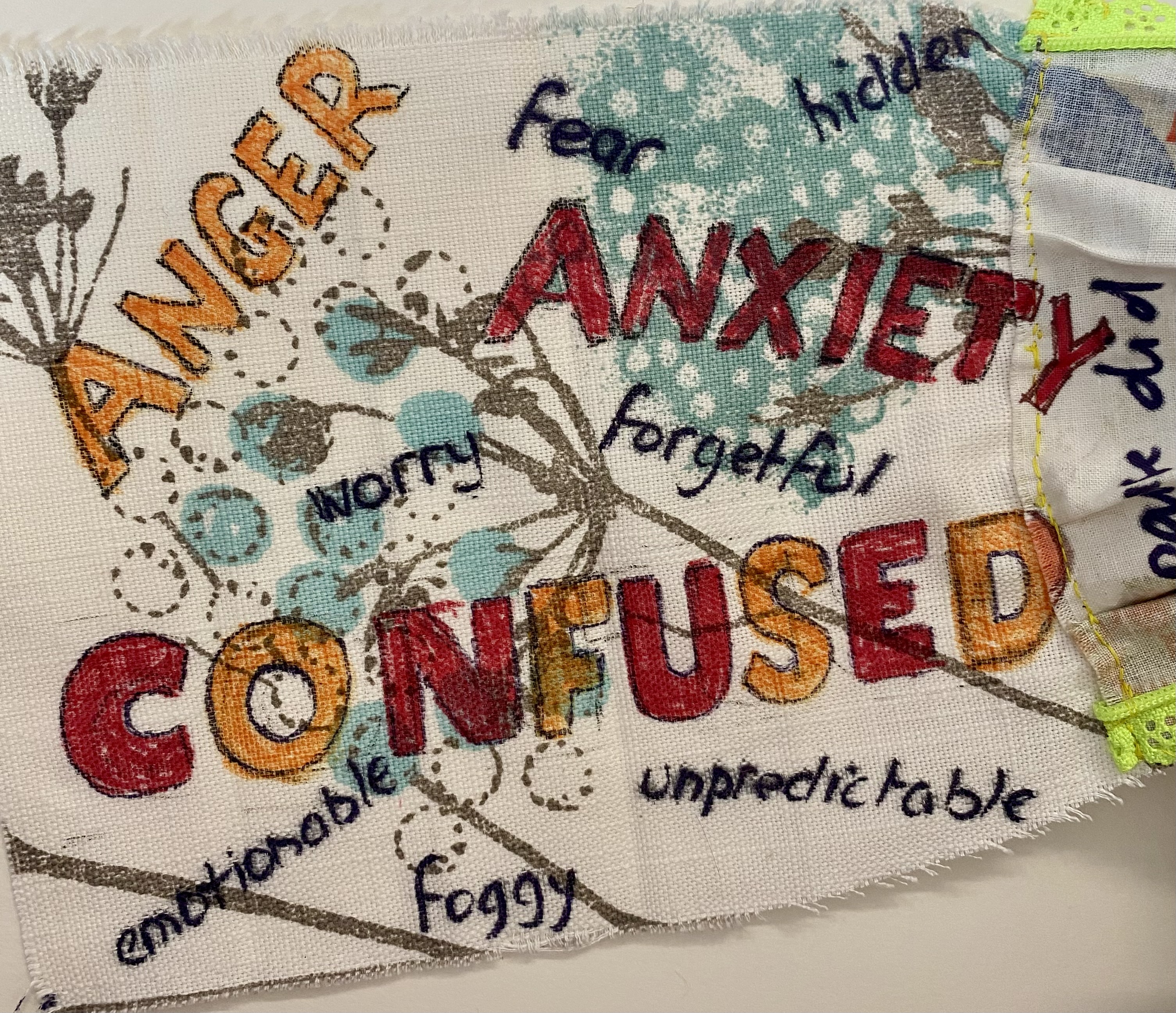
In sharing the wide range of experiences faced by menopausal patients, it is important to acknowledge the more extreme situations, both historically and in the present day.
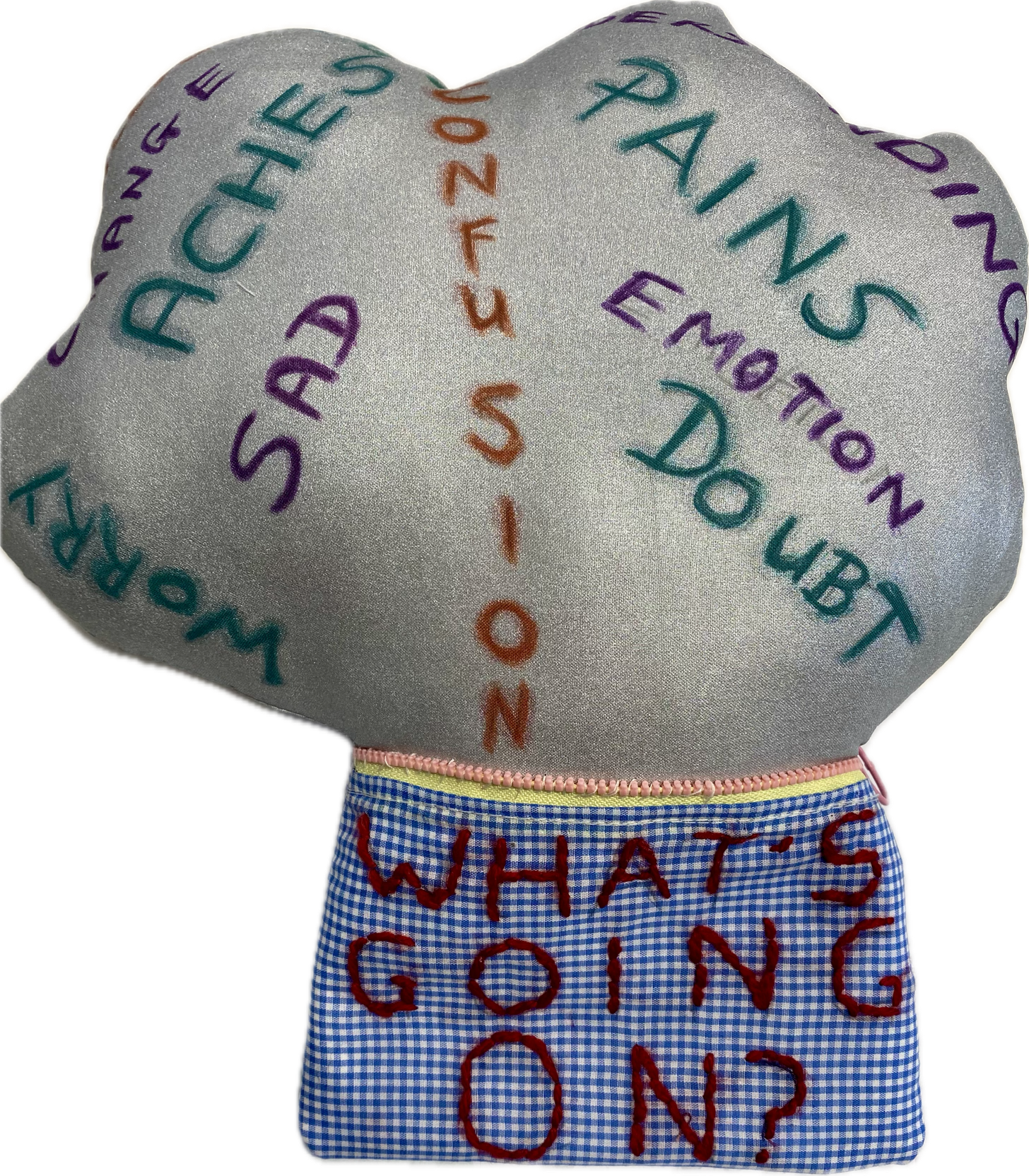
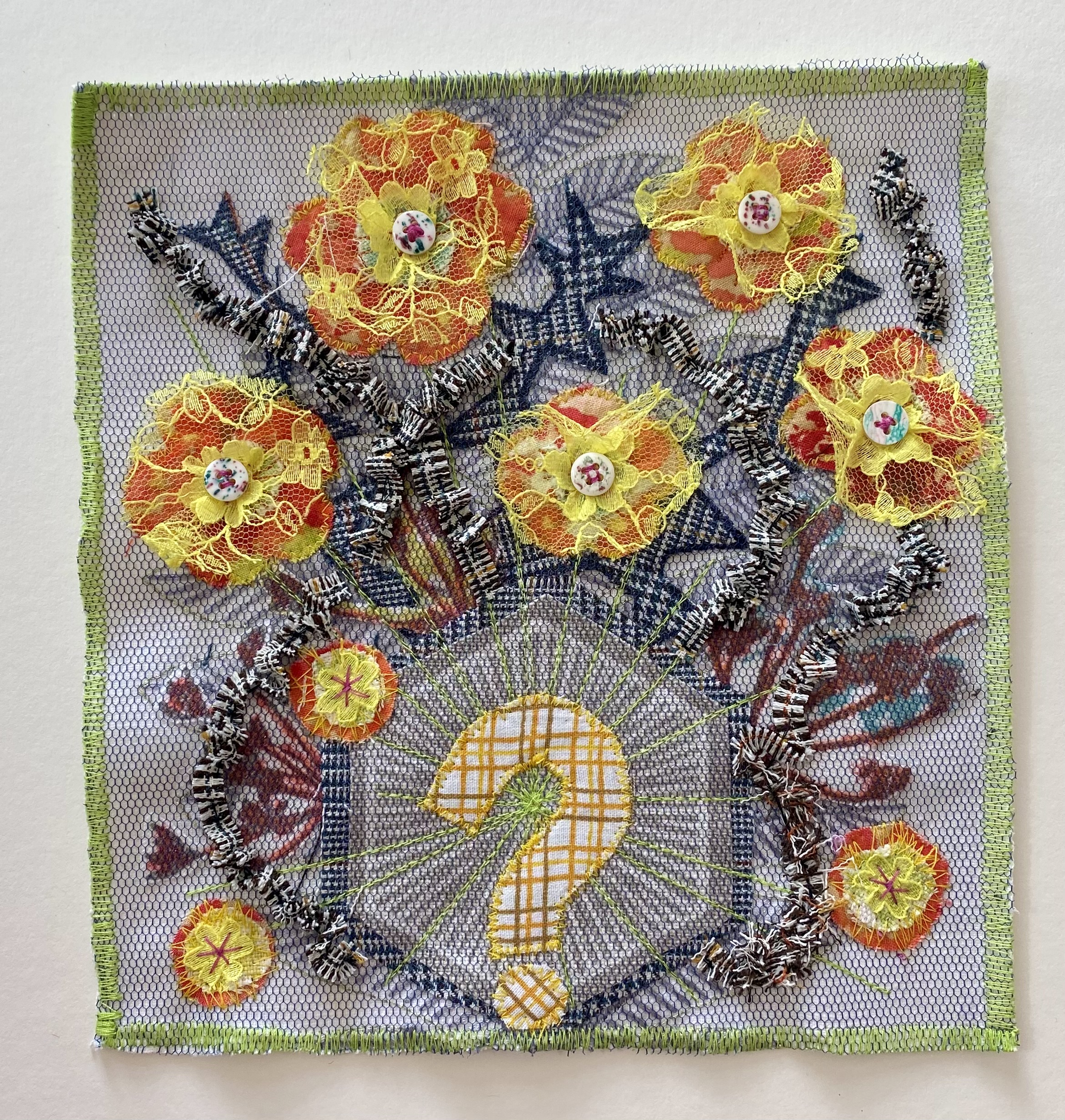
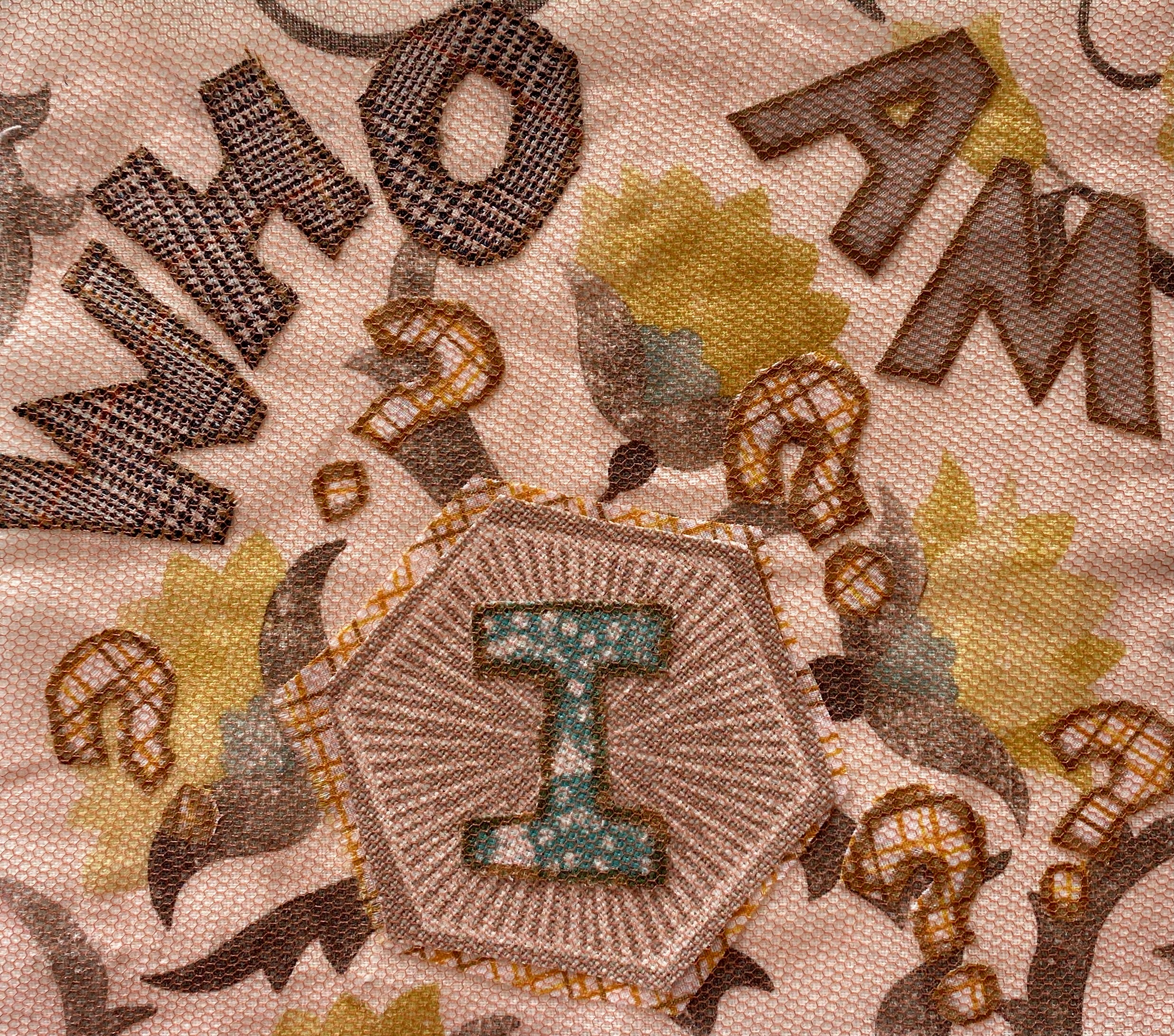
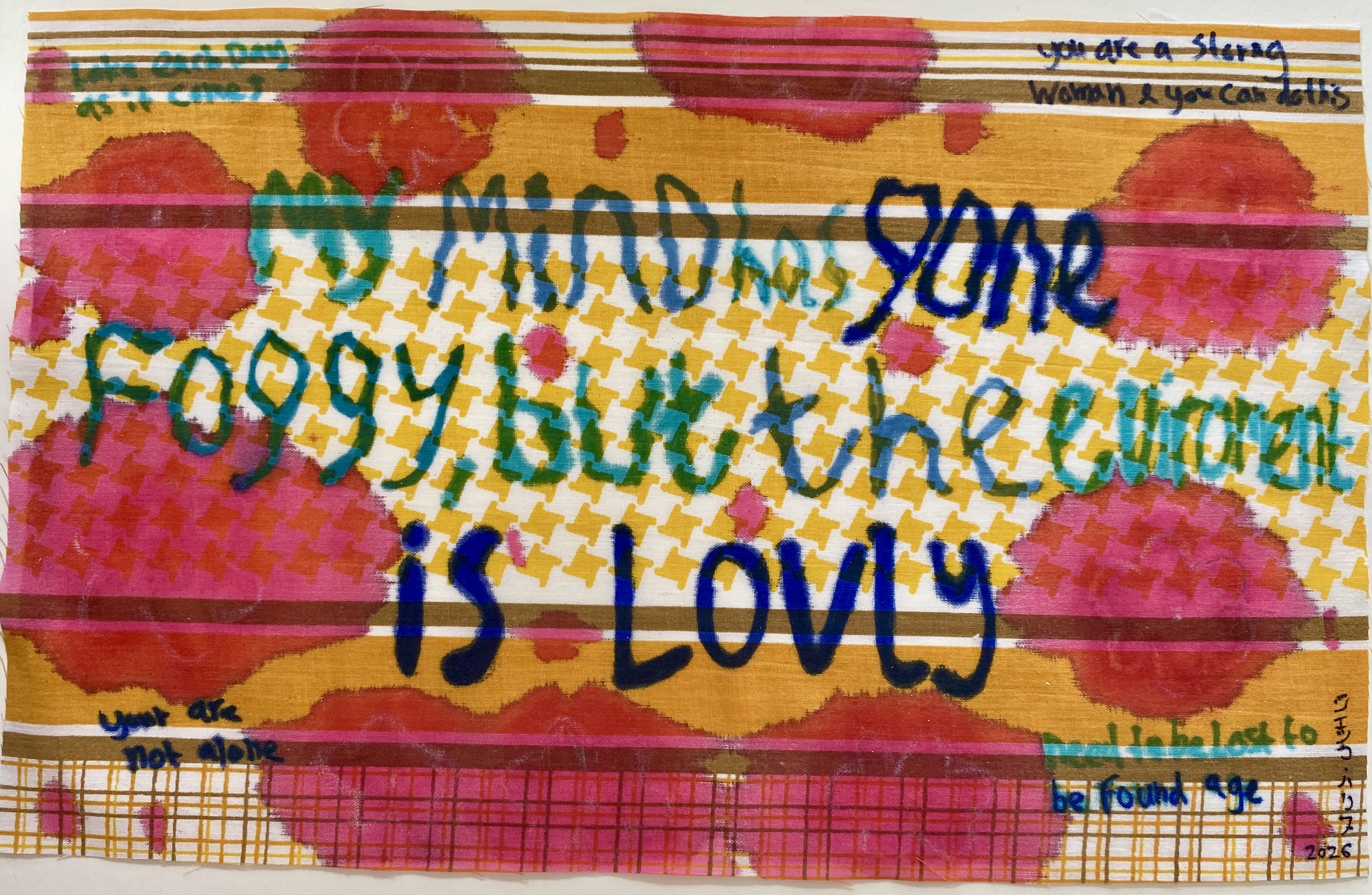
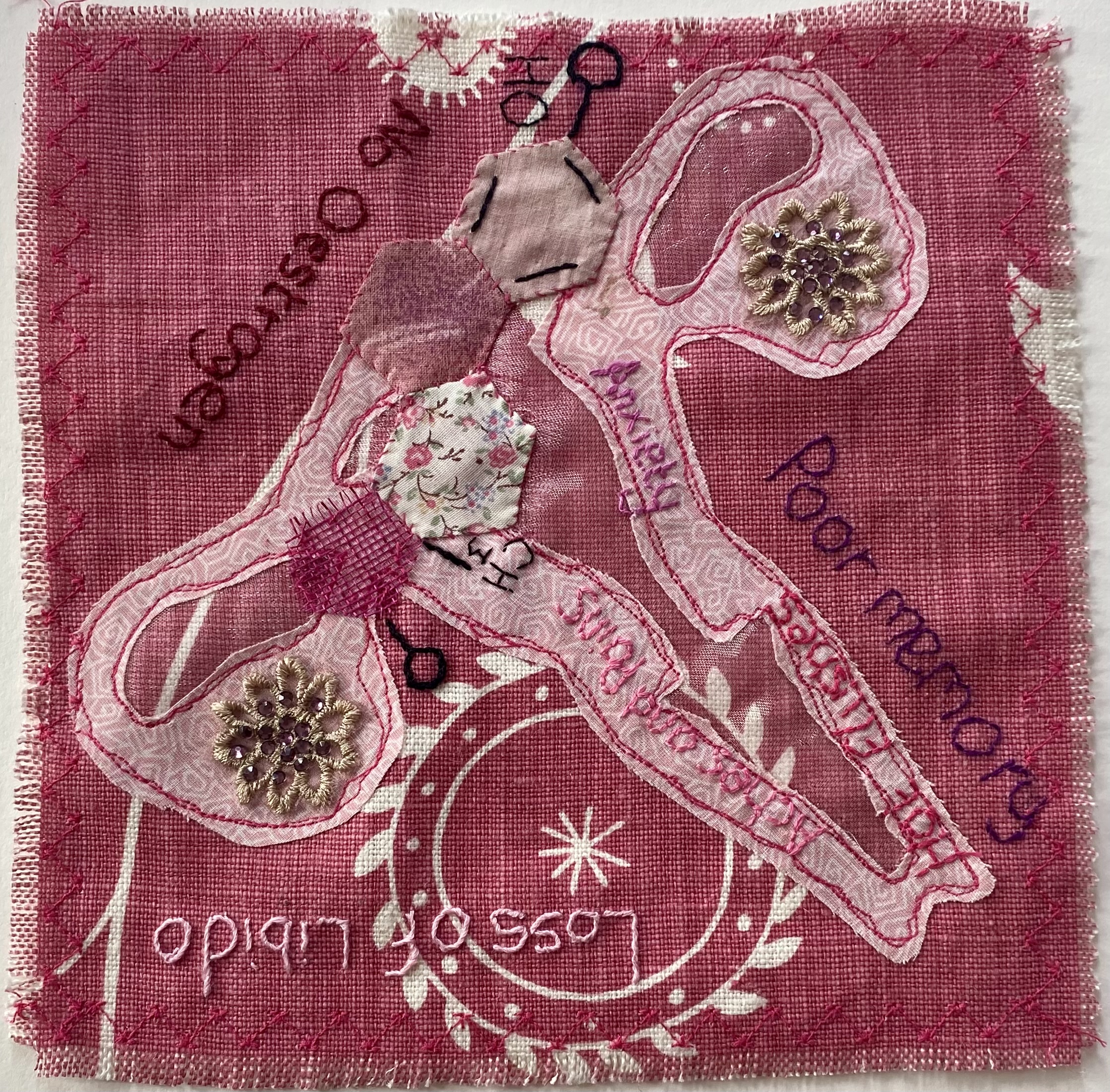
“A period of intense confusion, compounded by symptoms such as brain fog, memory issues and insomnia. Over the last few years, I have felt increasingly bewildered and lacking in self-confidence, leaving me unsure of who I am.”
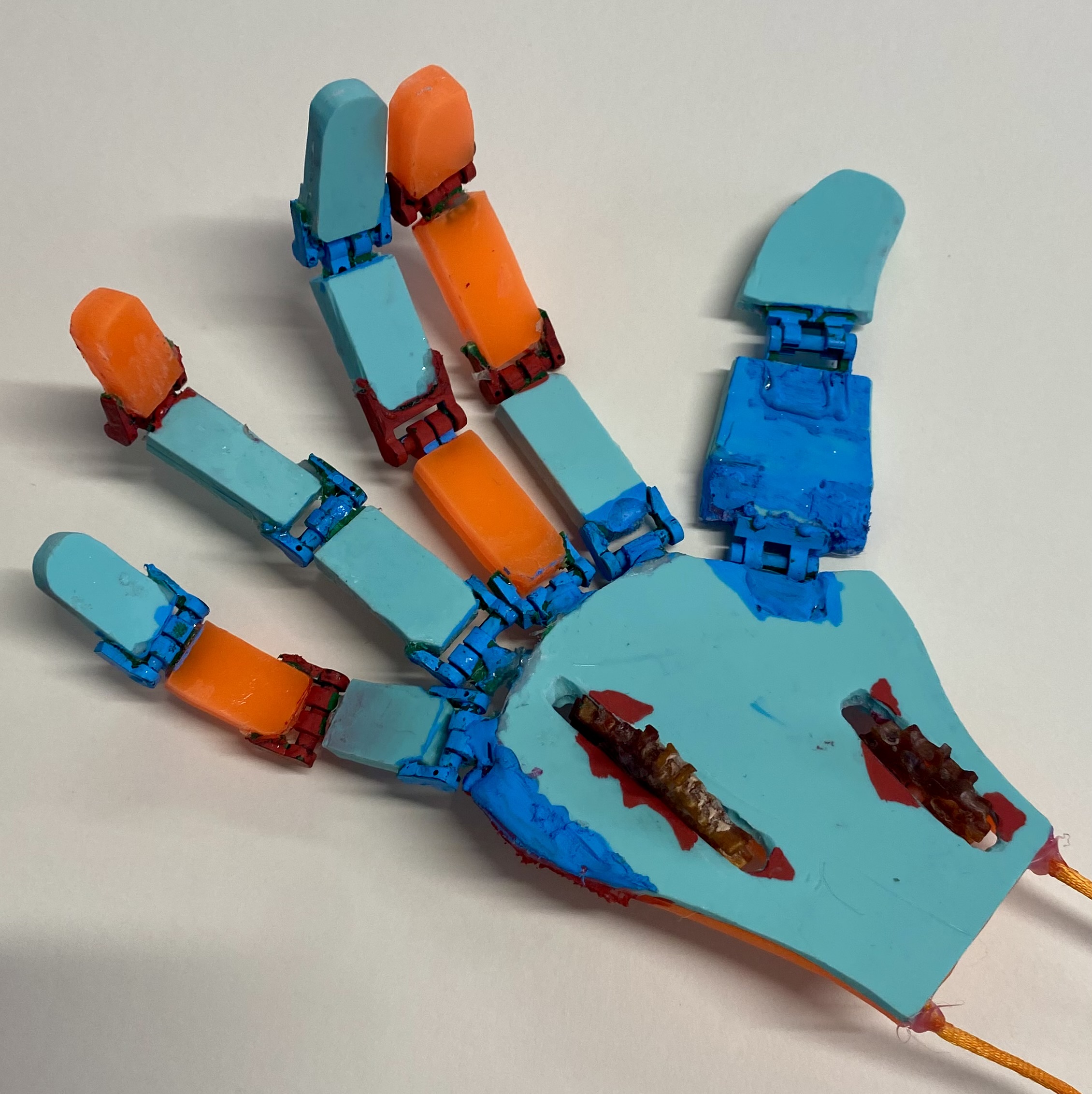
“I wasn’t sleeping, I was not working extremely well, I was so tired at work. I lost a relationship … I had a huge bust up at work, as in, I was in a room with my peers – all men – and I’m thinking ‘what the hell are you saying?’ I was not making any sense, and I was absolutely exhausted from not sleeping. I’d lost about 2 stones; I wasn’t eating any more. … And I left that meeting, stormed into my office, picked up my laptop, said to my team, I’m going home. My manager happened to be in the corridor, and I was in floods of tears, ‘I don’t know when I’m coming back.’ And I lied to my daughter for a month, saying I was going. Saying ‘oh I did this at work, I did that’ when I wasn’t leaving my house and I was working 2 or 3 days a week. My GP had put me on adjustments for work, working from home and on reduced hours … as a consequence of this, I was pushed to go off sick in January fully. Five months later I was offered, not a return-to-work interview, it was a redundancy.”
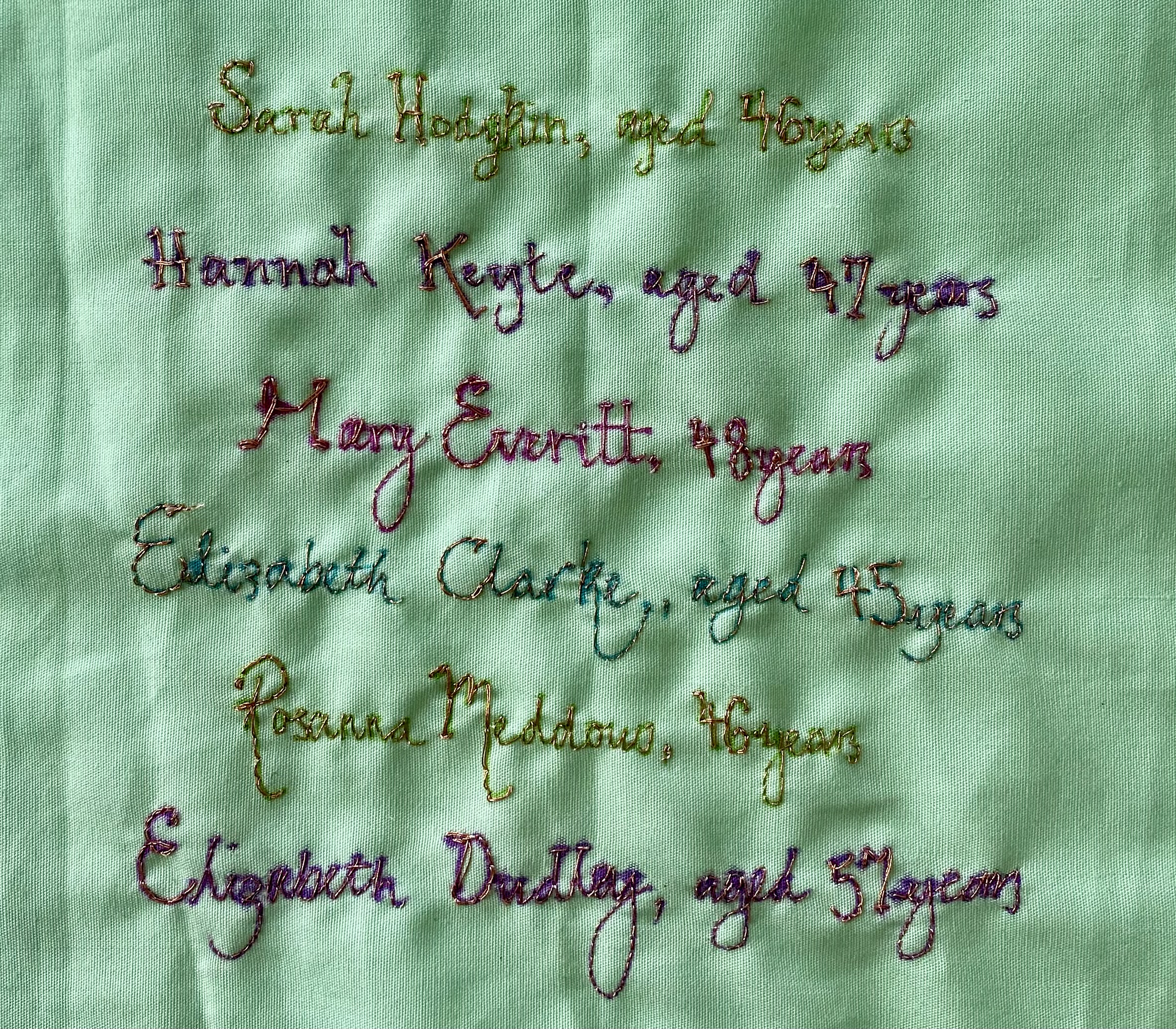
Thankfully, the support available for those who experience such challenging symptoms is growing. This was not the case in the late 19th century. The admissions casebook from the Hatton Asylum lists the reason each patient was admitted. We searched for women whose condition may have been the result of changes caused by menopause. From this emerged Mary Everitt, Sarah Hodgkin, Rosanna Meddows, Elizabeth Clarke, Hannah Keyte and Elizabeth Dudley.
Each of these women were admitted to the asylum between the ages of 45 and 60, and their accounts have several similarities. They are described as being stable, competent and industrious for many years, until a recent and significant change in character. Symptoms include trouble sleeping, irritability, low mood, disinclination to work, and extreme anger or sadness in some cases. Each account also mentions a recent ending of ‘catamenia,’ an historical term for menstruation. Each of these women sadly died in Hatton Asylum. None of them were able to recover from the impact of their menopausal changes.
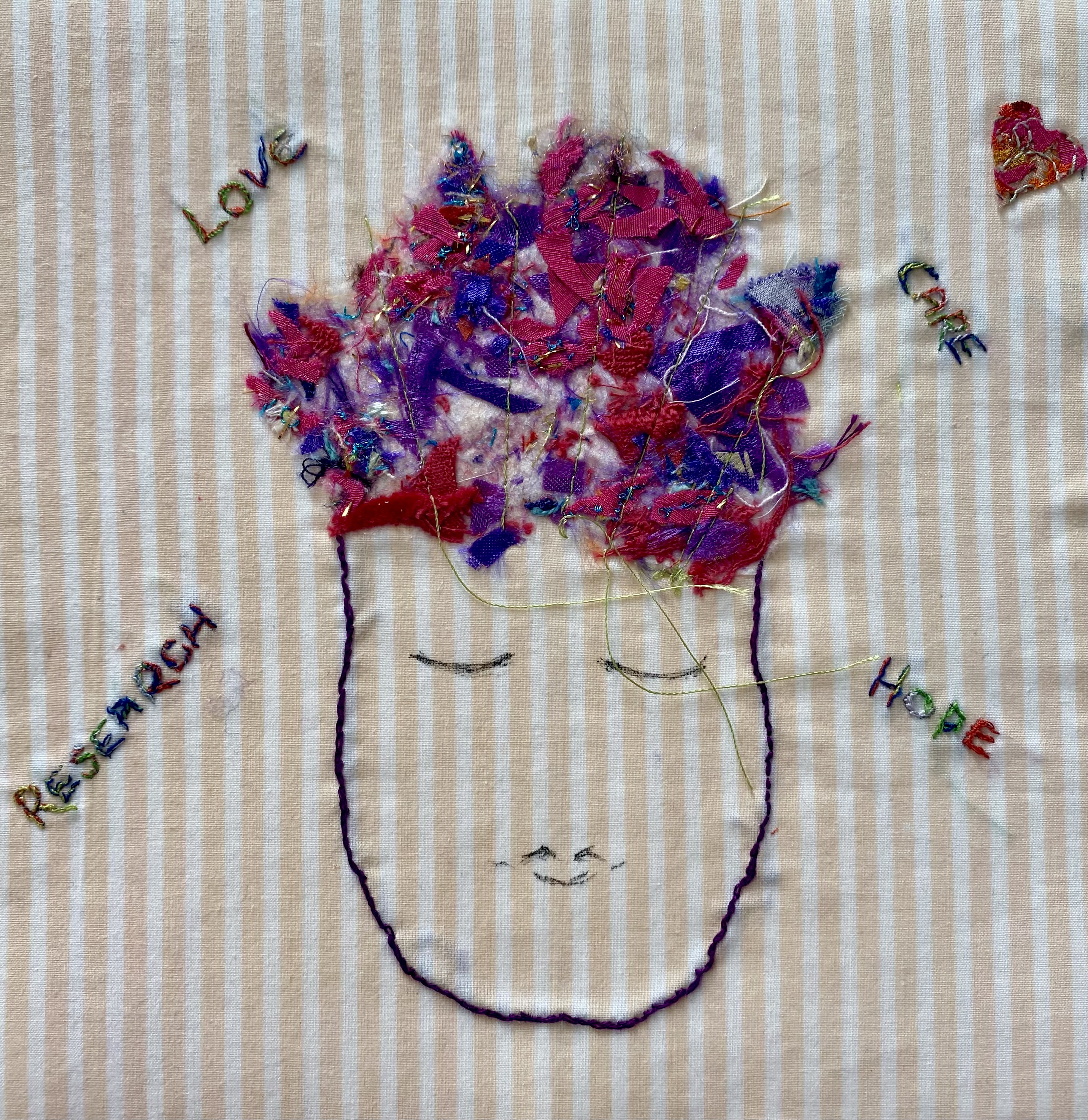
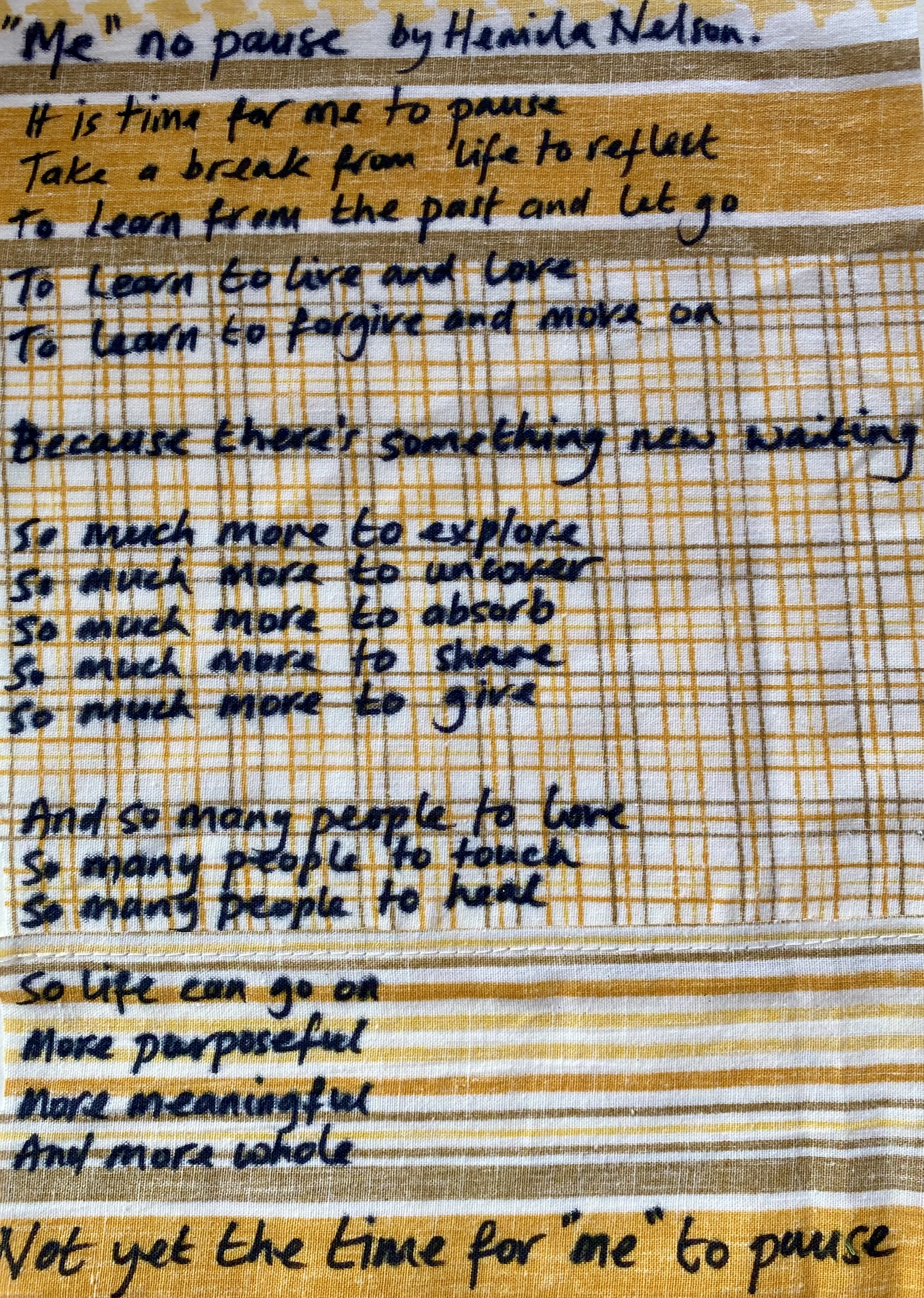
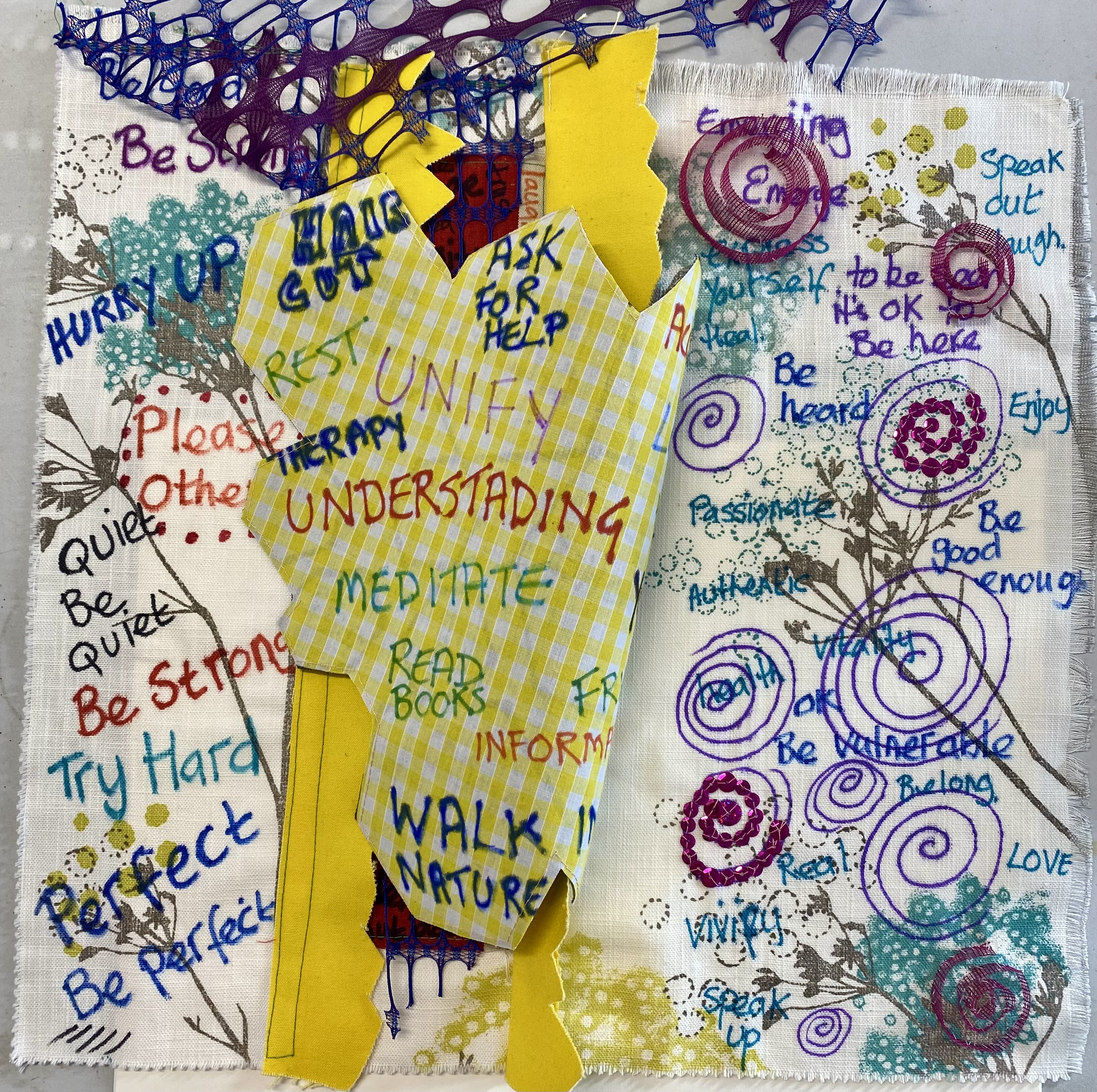
The experiences shared in this project have been moving and powerful, whether describing serious challenges or minor frustrations. Something that many of them had in common was the desire to share a positive message and encourage a hopeful outlook.
“I hope that if you associate with anything in my piece you will draw comfort from that fact that you are not crazy … not alone.”
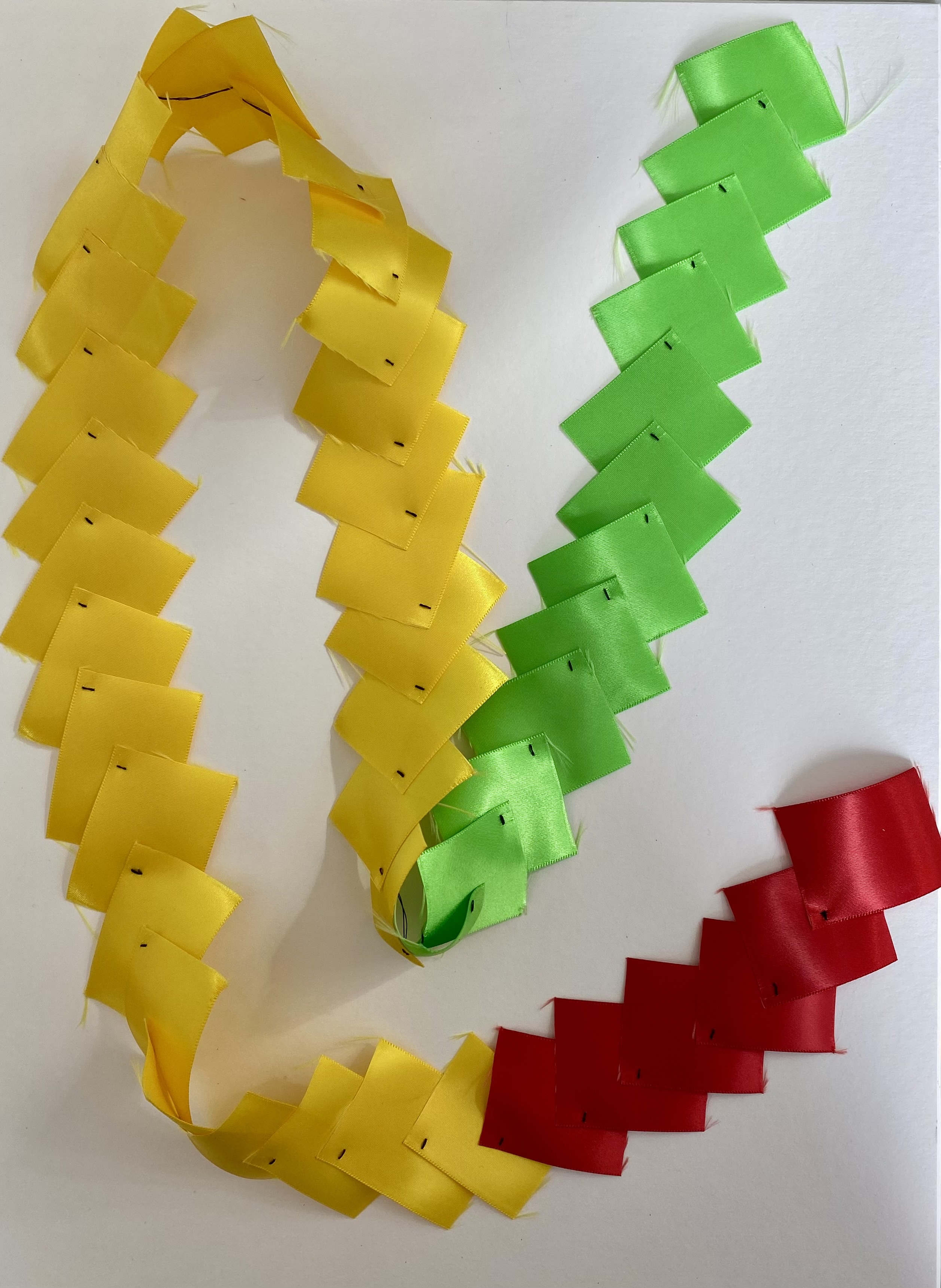
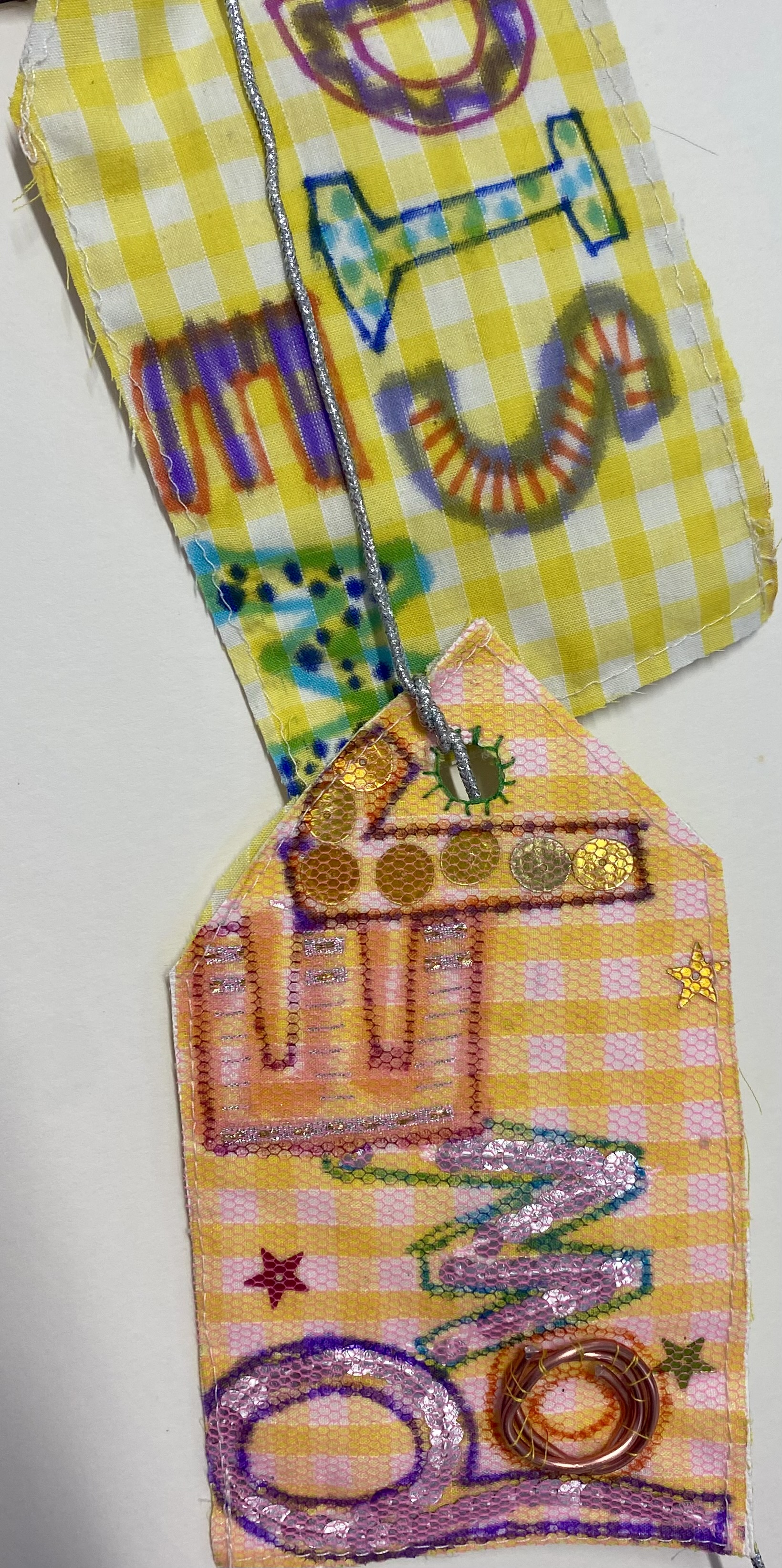
“I’ve just put a motto on there: ‘your biological clock is ticking away. Be a menopause survivor.’”
“I do feel there is a ‘silver lining’ to the menopause. I’m learning to embrace my freedom and … I understand how my body is working so much better than at any other point in my life.”
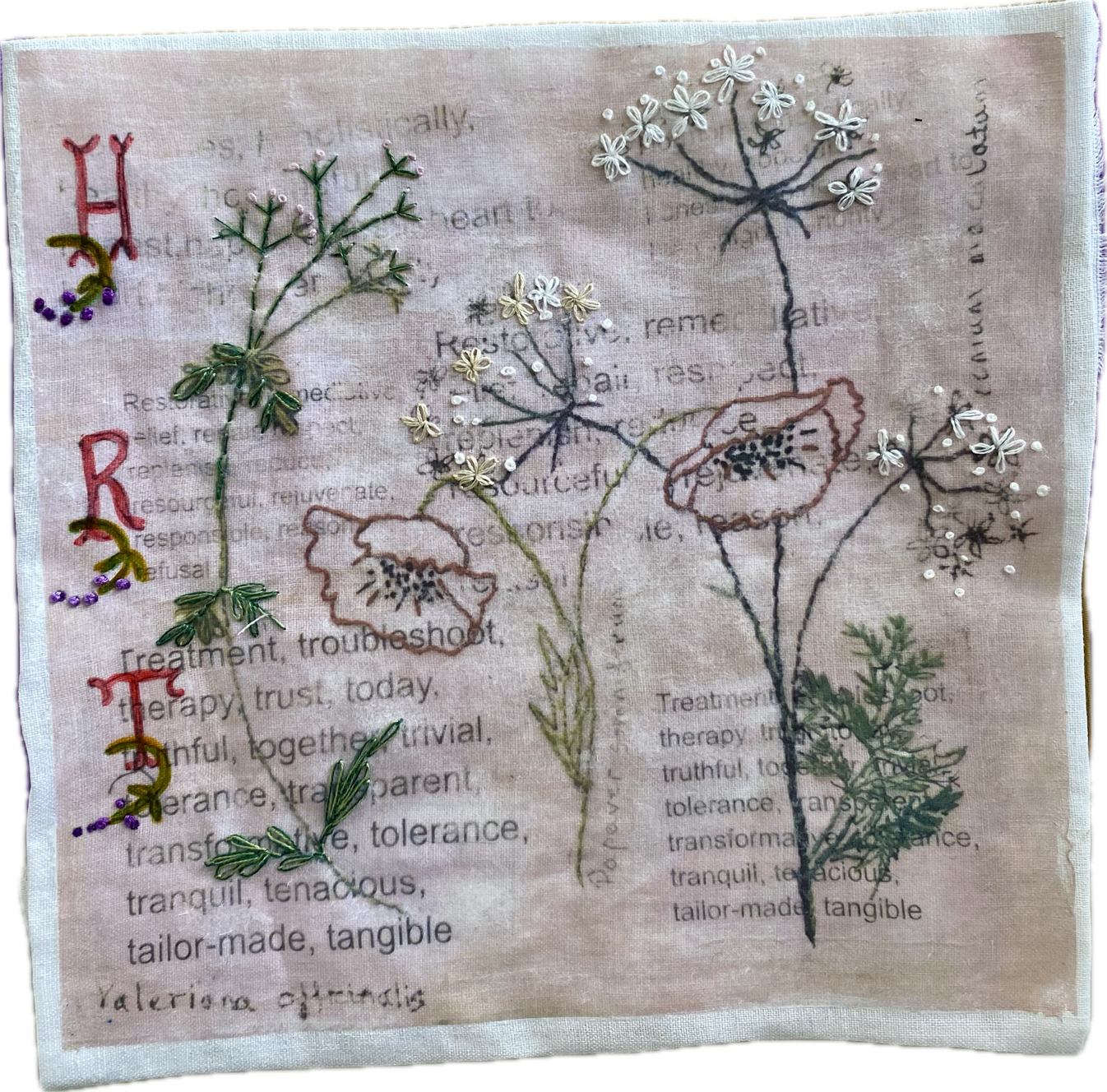
Stories shared by participants in the creative workshops

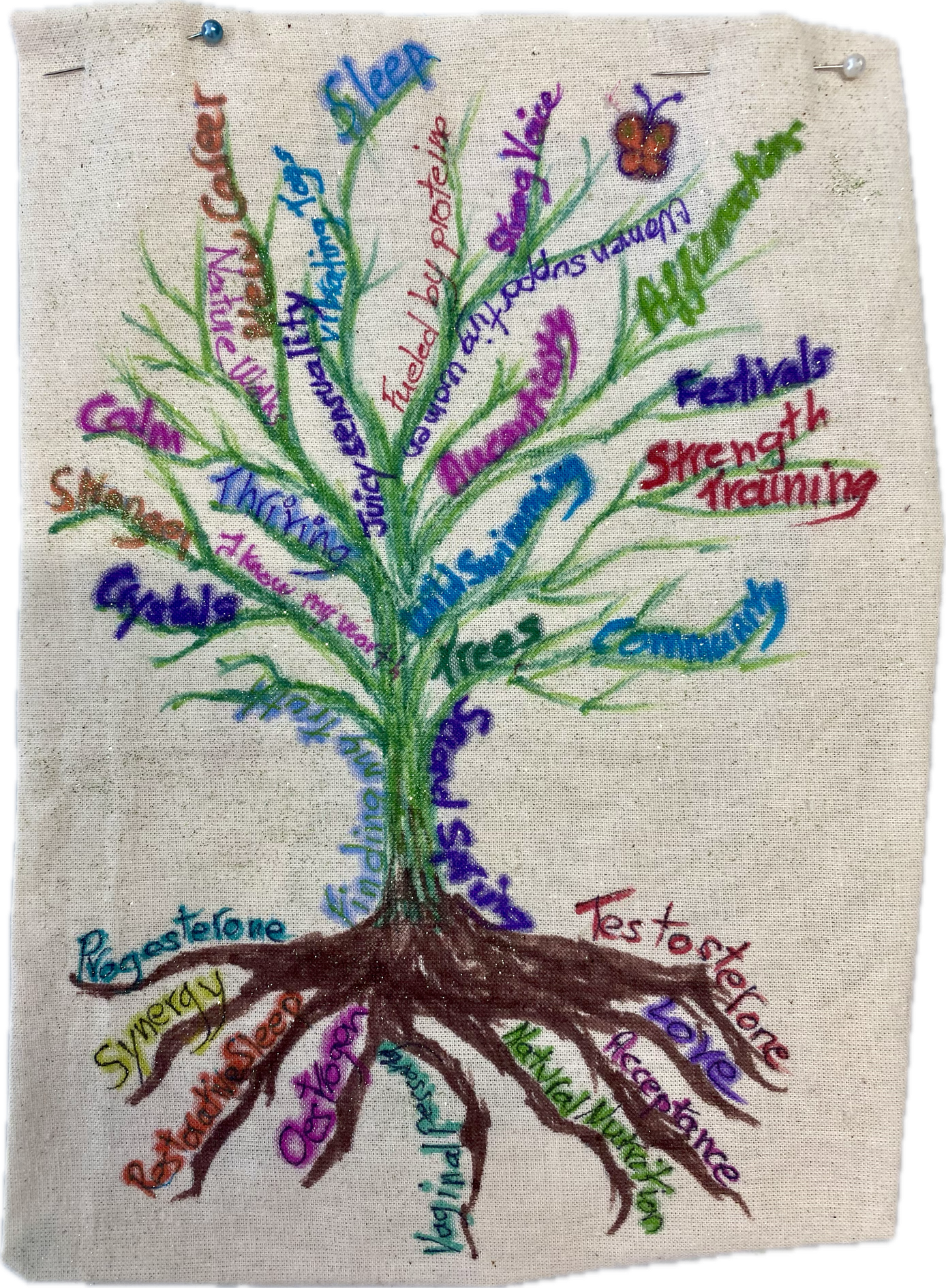
Stories shared by participants in the creative workshops
Stories shared by participants in the creative workshops
Stories shared by participants in the creative workshops
Stories shared by participants in the creative workshops
Stories shared by participants in the creative workshops
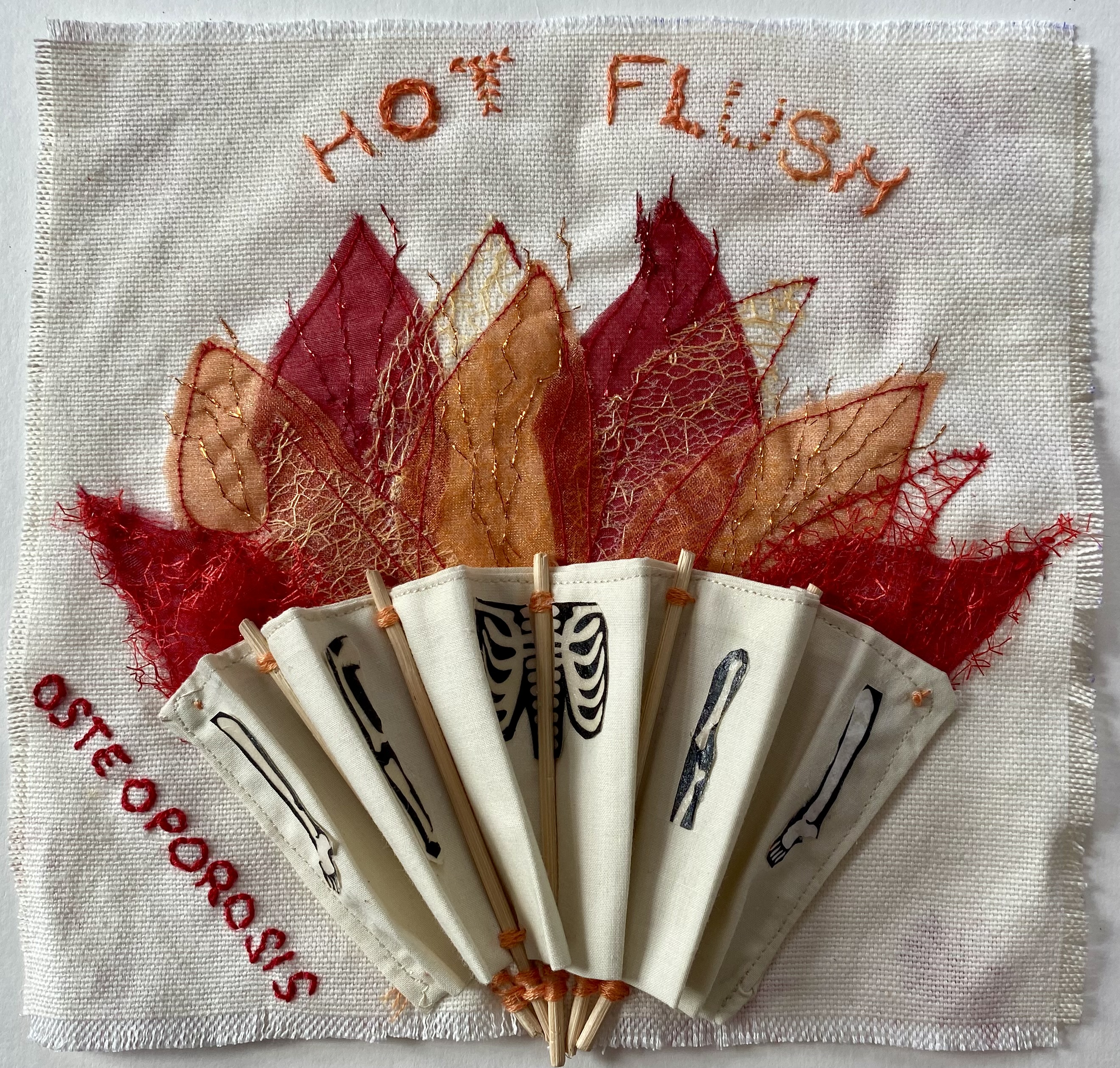
Stories shared by participants in the creative workshops
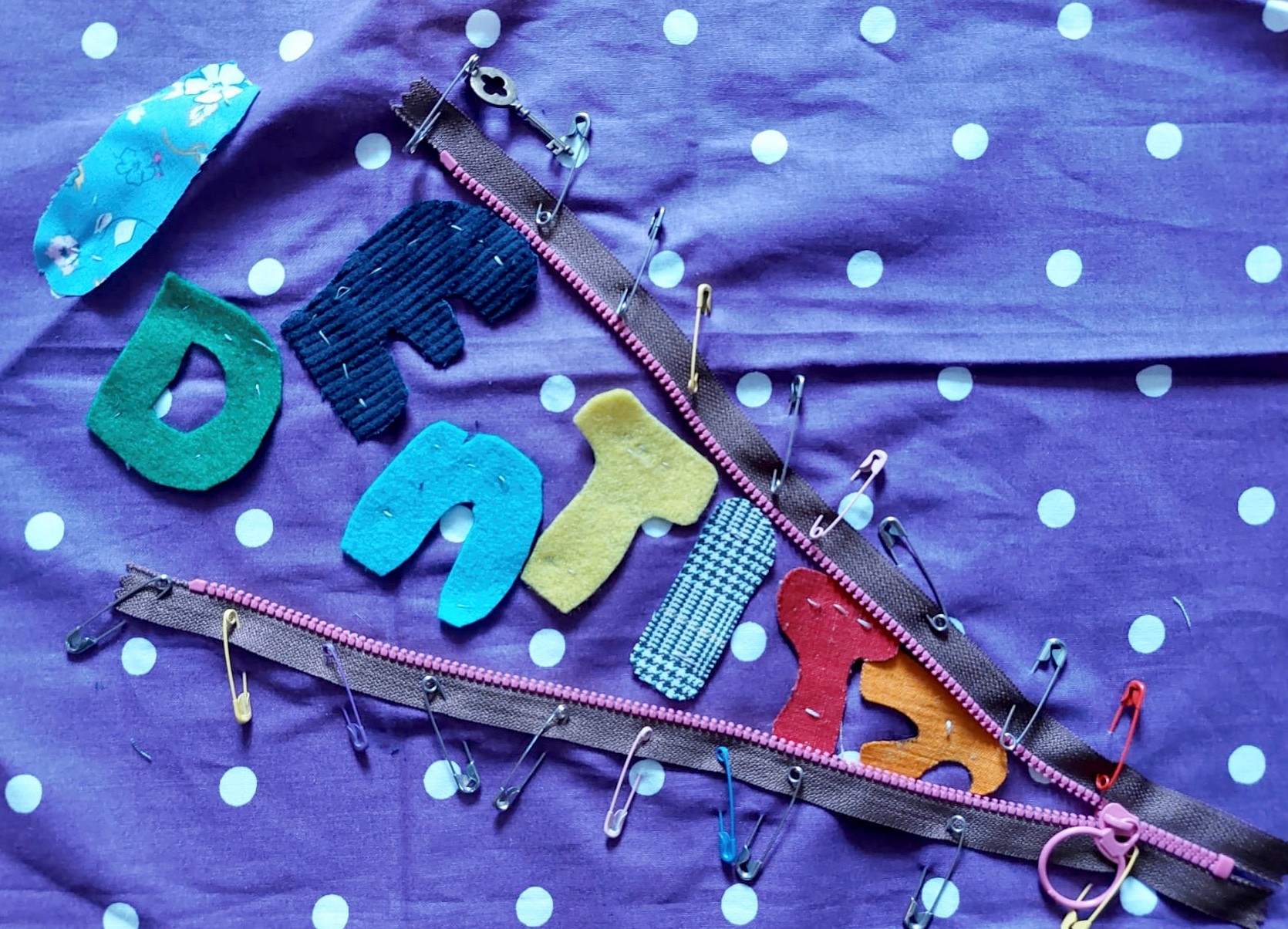
Stories shared by participants in the creative workshops
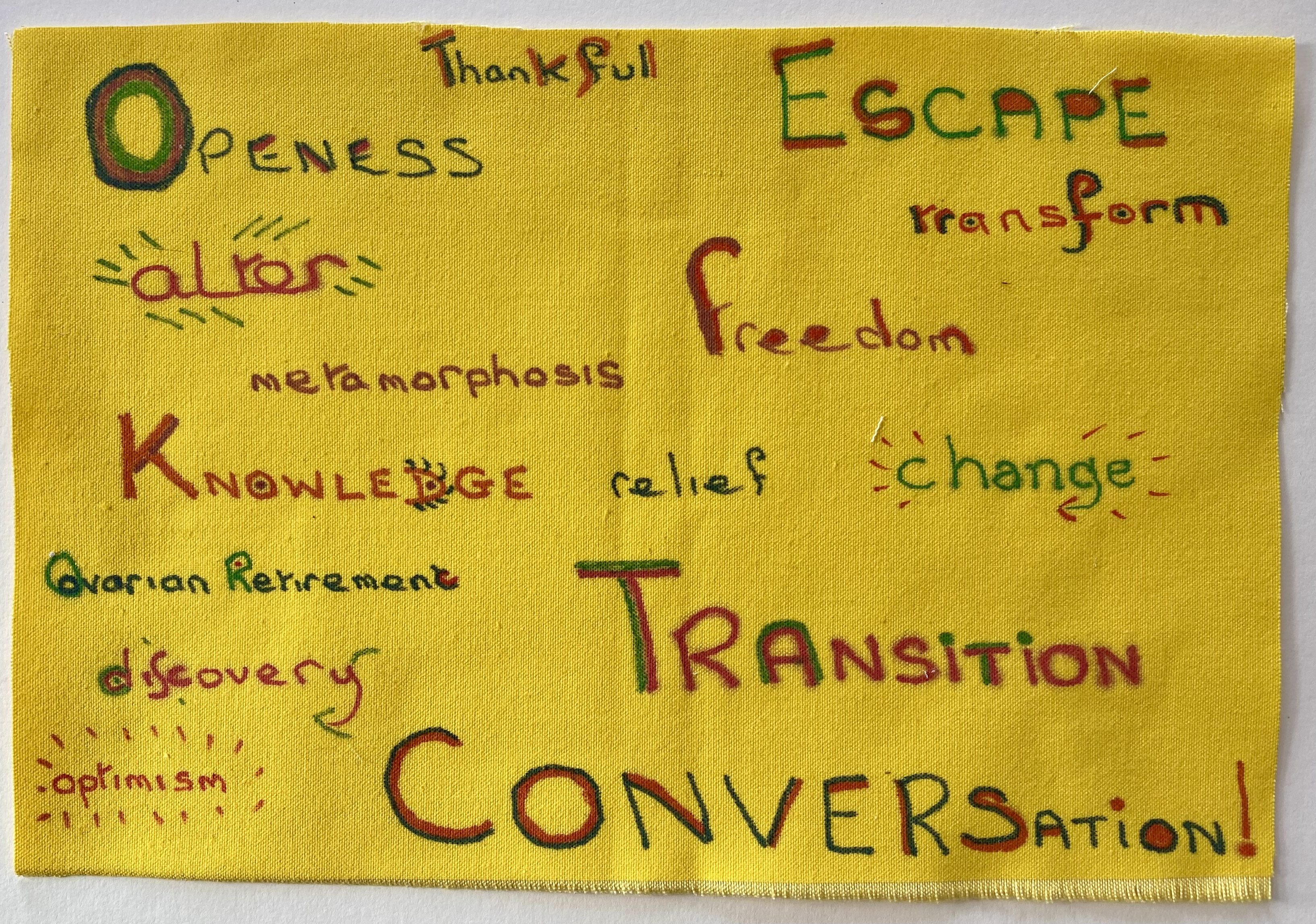
Stories shared by participants in the creative workshops
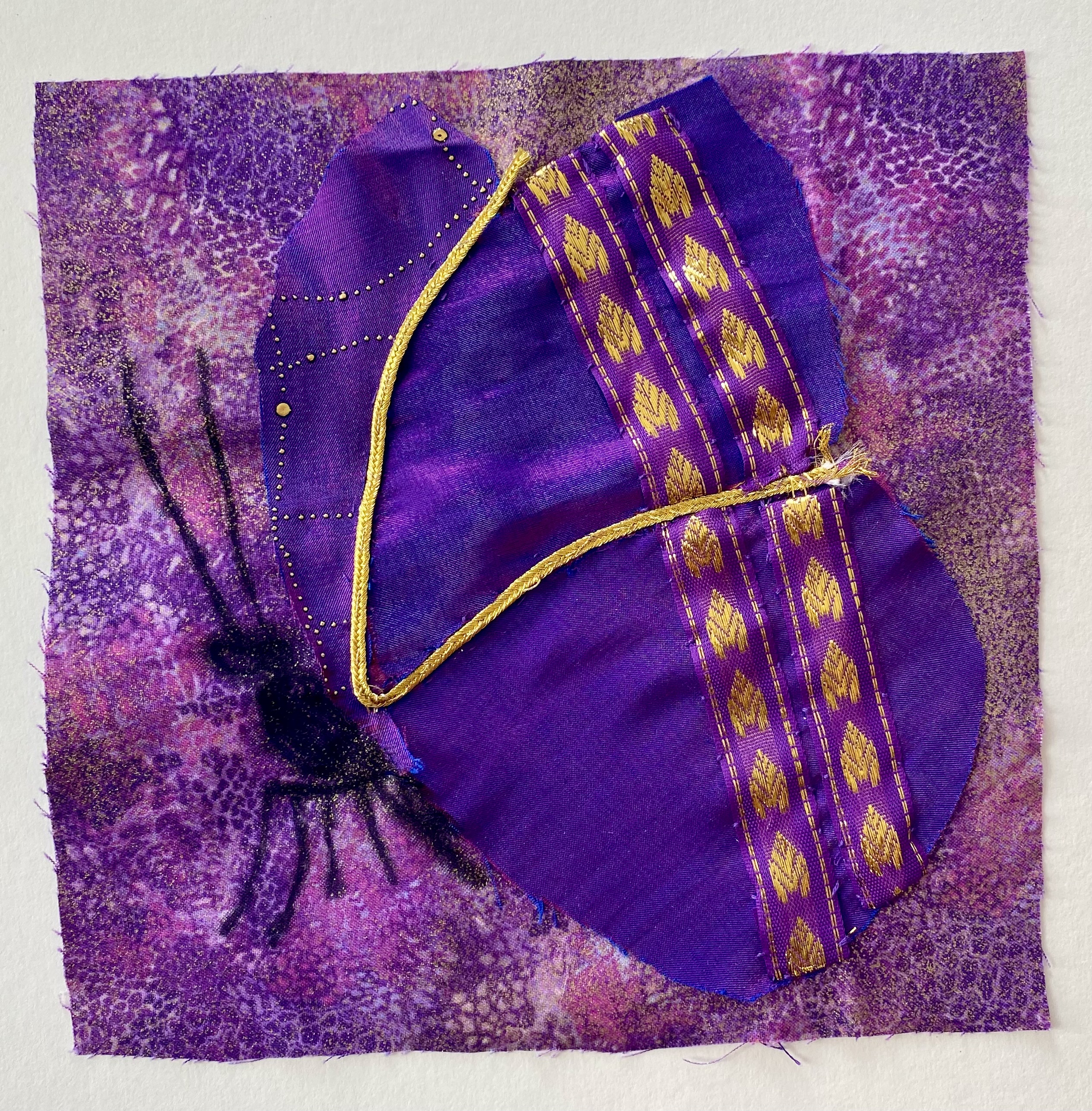
Stories shared by participants in the creative workshops
Stories shared by participants in the creative workshops
Stories shared by participants in the creative workshops
Stories shared by participants in the creative workshops
Stories shared by participants in the creative workshops
Stories shared by participants in the creative workshops
Stories shared by participants in the creative workshops
Stories shared by participants in the creative workshops
Stories shared by participants in the creative workshops
Stories shared by participants in the creative workshops
Stories shared by participants in the creative workshops
Stories shared by participants in the creative workshops
Stories shared by participants in the creative workshops
Stories shared by participants in the creative workshops
Stories shared by participants in the creative workshops
Stories shared by participants in the creative workshops
Stories shared by participants in the creative workshops
Stories shared by participants in the creative workshops
Stories shared by participants in the creative workshops
Stories shared by participants in the creative workshops
Stories shared by participants in the creative workshops
Stories shared by participants in the creative workshops
Stories shared by participants in the creative workshops
Stories shared by participants in the creative workshops
Stories shared by participants in the creative workshops
Licence & Credits
Licence
CC BY 4.0Submitted / shared by
Stories shared by participants in the creative workshops